10 Effective Tips for Maintaining a Heart Healthy Diet
- rejul ravindran
- Dec 21, 2025
- 2 min read

Heart disease remains one of the leading causes of death worldwide. While genetics and lifestyle factors play a role, diet stands out as a powerful tool to protect your heart. Eating the right foods can lower blood pressure, reduce cholesterol, and improve overall cardiovascular health. This post shares 10 practical tips to help you maintain a heart healthy diet that supports long-term wellness.

Choose Whole Grains Over Refined Grains
Whole grains like brown rice, oats, barley, and whole wheat contain fiber and nutrients that help lower cholesterol and improve blood vessel function. Refined grains lose much of their fiber and vitamins during processing, which can lead to blood sugar spikes and increased heart risk. Swap white bread and pasta for whole grain versions to boost heart health.
Eat Plenty of Fruits and Vegetables
Fruits and vegetables provide antioxidants, vitamins, and minerals that protect your heart. Aim for at least five servings daily. Berries, oranges, spinach, and broccoli are especially rich in heart-friendly nutrients. Try adding fresh fruit to breakfast or snacking on raw veggies with hummus.
Include Healthy Fats in Your Diet
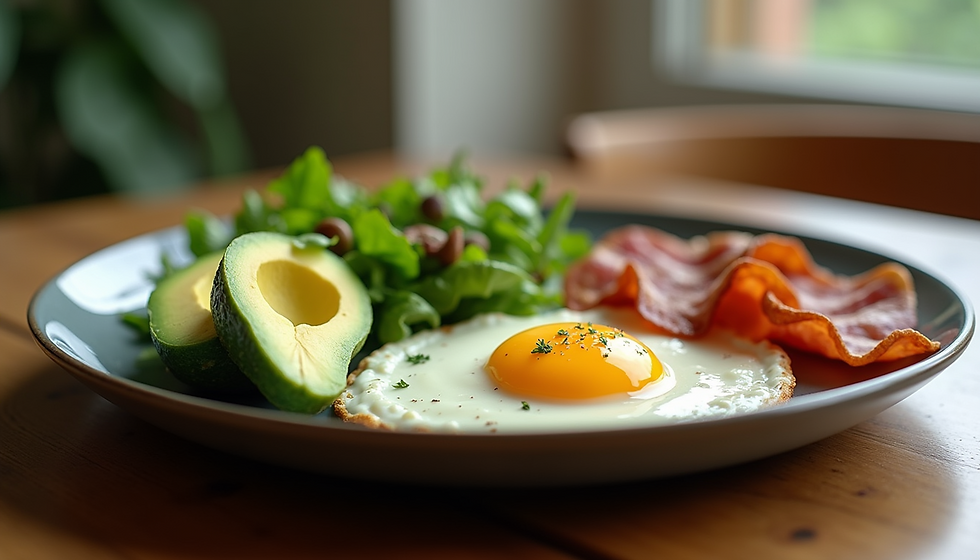
Not all fats are bad. Unsaturated fats found in olive oil, avocados, nuts, and fatty fish like salmon help reduce inflammation and improve cholesterol levels. Limit saturated fats from red meat and full-fat dairy, and avoid trans fats found in many processed foods.
Limit Salt Intake to Control Blood Pressure
High sodium intake can raise blood pressure, increasing heart disease risk. Most adults should keep sodium under 2,300 mg per day, or about one teaspoon of salt. Reduce salt by cooking at home, using herbs and spices for flavor, and avoiding processed and fast foods.
Choose Lean Protein Sources
Protein is essential, but some sources are better for your heart. Opt for lean meats like skinless chicken and turkey, plant-based proteins such as beans and lentils, and fish rich in omega-3 fatty acids. These choices support muscle health without adding unhealthy fats.
Cut Back on Added Sugars
Excess sugar contributes to obesity, diabetes, and heart disease. Watch out for sugary drinks, candies, baked goods, and many packaged snacks. Replace soda with water or unsweetened tea, and satisfy sweet cravings with fresh fruit.
Practice Portion Control
Eating large portions can lead to weight gain and strain your heart. Use smaller plates, measure servings, and listen to your body's hunger signals. Balanced portions help maintain a healthy weight and reduce heart disease risk.
Stay Hydrated with Heart-Friendly Drinks
Water is the best choice for hydration. Limit sugary beverages and excessive caffeine. Herbal teas and infused water with lemon or cucumber can add variety without added sugars or calories.
Plan Meals and Snacks Ahead
Planning helps you avoid last-minute unhealthy choices. Prepare meals with heart-healthy ingredients and pack snacks like nuts or fruit. This approach supports consistent healthy eating and reduces reliance on processed foods.
Read Nutrition Labels Carefully
Labels provide valuable information about fat, sodium, sugar, and fiber content. Choose products with lower saturated fat and sodium, and avoid trans fats. Look for whole grain ingredients and minimal added sugars.


Comments