10 Simple Tips for Healthy Eating on a Budget
- rejul ravindran
- Dec 21, 2025
- 2 min read

Eating healthy does not have to drain your wallet. Many people believe that nutritious food is expensive, but with the right strategies, you can enjoy wholesome meals without overspending. This post shares practical tips to help you eat well while keeping your budget in check.
Plan Your Meals Ahead
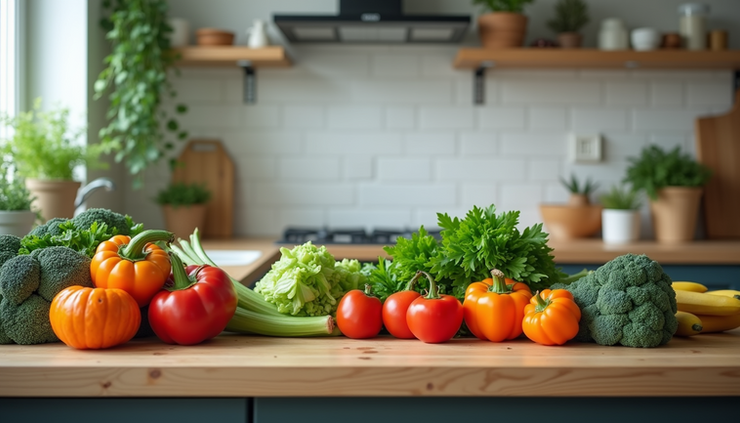
Planning meals before shopping helps avoid impulse buys and food waste. Make a weekly menu with simple recipes using affordable ingredients. Check what you already have in your pantry to avoid duplicates. For example, plan meals around staples like rice, beans, and seasonal vegetables.
Buy Seasonal and Local Produce
Seasonal fruits and vegetables cost less and taste better. Visit farmers' markets or local produce stands for fresh options. For instance, buying tomatoes in summer or squash in fall can save money compared to out-of-season items.
Choose Whole Foods Over Processed
Whole foods like grains, beans, and fresh produce are often cheaper and healthier than processed snacks or ready meals. Cooking from scratch lets you control ingredients and portion sizes, which supports both health and budget.
Shop in Bulk for Staples
Items like rice, oats, lentils, and frozen vegetables are cheaper when bought in bulk. Store them properly to maintain freshness. Bulk buying reduces packaging waste and trips to the store, saving time and money.
Use Coupons and Store Discounts
Look for coupons, loyalty programs, and weekly store discounts. Many grocery stores offer deals on healthy items like yogurt, nuts, or canned beans. Combine these with your meal plan to maximize savings.
Cook Large Portions and Save Leftovers
Preparing bigger meals allows you to eat leftovers for lunch or dinner the next day. This reduces cooking time and food waste. For example, a large pot of vegetable soup or chili can provide multiple meals.
Limit Meat and Choose Plant-Based Proteins
Meat can be expensive. Incorporate more plant-based proteins such as beans, lentils, tofu, and eggs. These options are nutritious and budget-friendly. Try a few meatless meals each week to cut costs without sacrificing protein.
Avoid Buying Pre-Cut or Pre-Packaged Foods
Convenience foods like pre-cut fruits, bagged salads, or single-serve snacks cost more. Buying whole fruits and vegetables and preparing them yourself saves money. For example, a whole pineapple is cheaper than pre-cut chunks.
Grow Your Own Herbs and Vegetables
If you have space, growing herbs or easy vegetables like lettuce or tomatoes can reduce grocery bills. Even a small windowsill garden can provide fresh herbs like basil or parsley, adding flavor without extra cost.
Drink Water and Limit Sugary Beverages
Sugary drinks and specialty coffees add unnecessary expenses and calories. Drinking water is free and supports good health. Carry a reusable water bottle to stay hydrated and avoid buying bottled drinks.

Comments