Benefits of Practicing Yoga During Pregnancy
- rejul ravindran
- 23 hours ago
- 3 min read

Pregnancy brings many changes to the body and mind. It can be a joyful time, but also one filled with physical discomfort and emotional ups and downs. Yoga offers a gentle way to support both physical health and emotional balance during this special period. Practicing yoga while pregnant helps prepare the body for childbirth and promotes overall well-being.
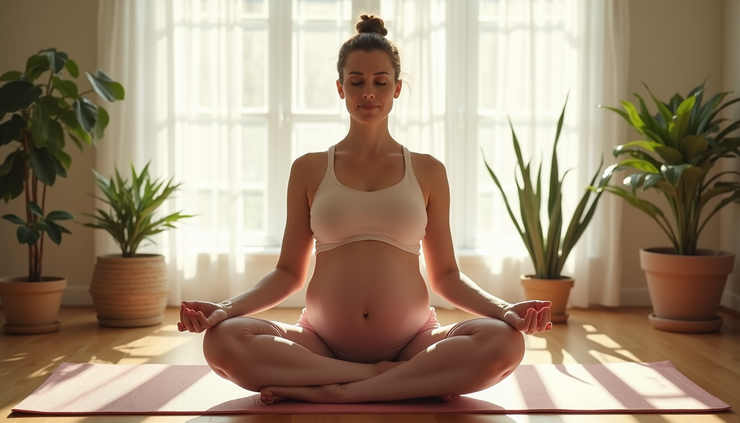
How Yoga Supports Physical Health in Pregnancy
Pregnancy affects muscles, joints, and posture. Yoga helps by:
Improving flexibility and strength: Gentle stretches ease tight muscles and build strength in key areas like the back, hips, and pelvic floor.
Reducing common discomforts: Yoga poses can relieve lower back pain, sciatica, and swelling in legs.
Enhancing circulation: Movement encourages blood flow, which helps reduce swelling and supports the growing baby.
Promoting better posture: As the belly grows, posture shifts. Yoga helps maintain alignment to reduce strain on the spine and muscles.
For example, poses like Cat-Cow gently stretch the spine and relieve tension, while supported squats strengthen the legs and open the hips, preparing the body for labor.
Emotional and Mental Benefits of Prenatal Yoga
Pregnancy can bring anxiety and mood swings. Yoga supports emotional health by:
Encouraging mindfulness and relaxation: Focused breathing and meditation calm the nervous system.
Reducing stress and anxiety: Slow, deep breaths help lower cortisol levels, promoting a sense of calm.
Building confidence and body awareness: Yoga helps women connect with their changing bodies and trust their strength.
Improving sleep quality: Relaxation techniques ease insomnia common in pregnancy.
Many women find that practicing yoga daily helps them feel more centered and ready to face the challenges of pregnancy and childbirth.
Safe Yoga Practices for Pregnant Women
Safety is key when practicing yoga during pregnancy. Here are important guidelines:
Choose prenatal yoga classes or videos designed specifically for pregnancy.
Avoid poses that involve lying flat on the back after the first trimester, as this can reduce blood flow.
Skip deep twists, intense backbends, and strong abdominal work to protect the baby and avoid strain.
Use props like blocks, bolsters, and straps to support the body and maintain balance.
Listen to your body and stop if you feel pain, dizziness, or discomfort.
Consulting a healthcare provider before starting yoga is recommended, especially for women with high-risk pregnancies or medical conditions.
Practical Yoga Poses for Pregnancy
Here are some gentle poses that many pregnant women find helpful:
Cat-Cow Stretch: Eases back tension and improves spinal flexibility.
Child’s Pose: Provides a restful stretch for the hips and back.
Supported Squat: Opens the hips and strengthens legs.
Seated Forward Bend: Gently stretches the back and hamstrings.
Legs-Up-The-Wall: Reduces swelling and promotes relaxation.
Each pose can be modified with props or by adjusting the depth of the stretch to suit individual comfort levels.
How Yoga Prepares You for Labor and Delivery
Yoga not only supports pregnancy but also prepares the body and mind for childbirth:
Breath control techniques learned in yoga help manage pain and stay calm during labor.
Strengthening pelvic muscles supports pushing and delivery.
Improving endurance and flexibility makes labor easier.
Mental focus and relaxation reduce fear and tension.
Women who practice yoga often report feeling more empowered and in control during birth.
Tips for Starting Yoga During Pregnancy
If you’re new to yoga, here are some tips to get started safely:
Find a certified prenatal yoga instructor or follow trusted online classes.
Start with short sessions, around 20-30 minutes, and gradually increase.
Wear comfortable, breathable clothing.
Practice in a quiet, well-ventilated space.
Stay hydrated and avoid overheating.
Remember, yoga is about connecting with your body and baby, not pushing limits.


Comments