Effective Diet Plan for Rapid Weight Loss Success
- rejul ravindran
- Dec 21, 2025
- 3 min read

Losing weight quickly can feel overwhelming, especially with so many diet plans promising fast results. The key to success lies in following a well-structured, balanced diet that supports your body’s needs while promoting fat loss. This post will guide you through an effective diet plan designed to help you shed pounds rapidly and safely, with practical tips and examples you can start using today.
Understanding Rapid Weight Loss
Rapid weight loss means losing a significant amount of body fat in a short period, usually a few weeks. While it’s tempting to try extreme diets, these often lead to muscle loss, nutrient deficiencies, or rebound weight gain. A successful rapid weight loss plan focuses on:
Reducing calorie intake moderately
Prioritizing nutrient-dense foods
Maintaining muscle mass
Supporting metabolism with balanced meals
This approach helps you lose fat while keeping energy levels stable and avoiding common pitfalls like hunger or fatigue.
Key Components of the Diet Plan
1. Calorie Control Without Starvation
To lose weight, you need to consume fewer calories than your body burns. A safe calorie deficit for rapid weight loss is typically 500 to 750 calories less than your daily maintenance needs. For most adults, this means eating between 1,200 and 1,500 calories per day, depending on activity level and body size.
Avoid dropping calories too low, which can slow metabolism and cause muscle loss. Instead, focus on quality calories from whole foods that fill you up.
2. High Protein Intake
Protein supports muscle retention and helps you feel full longer. Aim for about 1.2 to 1.5 grams of protein per kilogram of body weight daily. Good sources include:
Lean meats like chicken, turkey, and lean beef
Fish and seafood
Eggs and low-fat dairy
Plant-based proteins like lentils, chickpeas, and tofu
Including protein in every meal stabilizes blood sugar and reduces cravings.
3. Plenty of Vegetables and Fiber
Vegetables are low in calories but high in fiber, vitamins, and minerals. Fiber slows digestion, helping you stay full and supporting digestion. Fill half your plate with non-starchy vegetables such as:
Spinach, kale, and other leafy greens
Broccoli, cauliflower, and Brussels sprouts
Bell peppers, cucumbers, and zucchini
Fiber-rich foods also help regulate blood sugar and reduce overeating.
4. Healthy Fats in Moderation
Healthy fats support hormone balance and brain function. Include sources like:
Avocados
Nuts and seeds
Olive oil and coconut oil
Fatty fish like salmon and mackerel
Limit saturated and trans fats found in processed foods.
5. Smart Carbohydrate Choices
Carbohydrates provide energy but can cause weight gain if consumed in excess. Choose complex carbs with a low glycemic index to avoid blood sugar spikes:
Whole grains like brown rice, quinoa, and oats
Sweet potatoes and winter squash
Legumes such as beans and lentils
Limit refined carbs like white bread, pastries, and sugary drinks.
Sample Daily Meal Plan for Rapid Weight Loss
Here’s an example of a balanced day that fits the guidelines above:
Breakfast: Greek yogurt with a handful of berries and a tablespoon of chia seeds
Snack: A small apple with 10 almonds
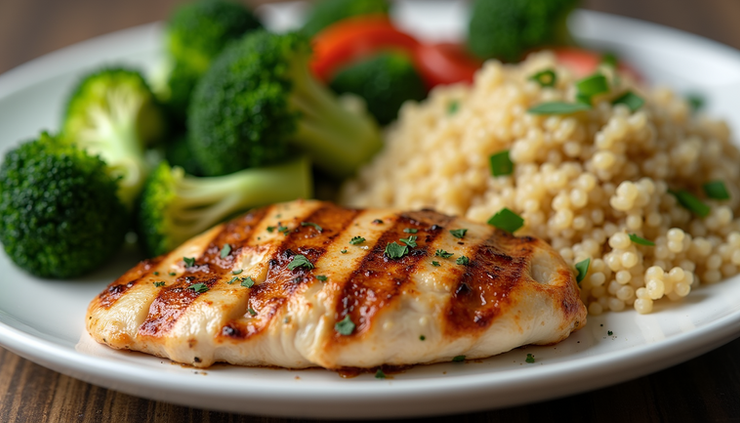
Lunch: Grilled chicken breast with a large mixed green salad, olive oil dressing, and quinoa
Snack: Carrot sticks with hummus
Dinner: Baked salmon with steamed broccoli and roasted sweet potatoes
This plan provides protein, fiber, healthy fats, and complex carbs, keeping calories controlled and hunger at bay.
Tips to Stay on Track
Plan meals ahead to avoid impulsive eating
Drink plenty of water to stay hydrated and reduce false hunger signals
Avoid eating late at night to improve digestion and fat burning
Incorporate regular exercise to boost metabolism and preserve muscle
Track your progress with a journal or app to stay motivated
What to Expect and When to Adjust
Rapid weight loss often happens in the first two to four weeks, with 1 to 2 pounds lost per week being a healthy target. If weight loss stalls, reassess calorie intake and activity levels. Avoid extreme restrictions or skipping meals, which can backfire.
If you feel weak, dizzy, or overly hungry, increase calories slightly and focus on nutrient-rich foods. Remember, the goal is sustainable fat loss, not just quick results.


Comments