Effective Diet Plan for Sustainable Weight Loss
- rejul ravindran
- 1 day ago
- 3 min read

Losing weight can feel overwhelming with so many diet options and conflicting advice. The key to success lies in finding a diet plan that fits your lifestyle and supports long-term changes. Sustainable weight loss is not about quick fixes or extreme restrictions. It requires a balanced approach that nourishes your body, keeps you satisfied, and helps you build healthy habits.
This post breaks down how to create an effective diet plan that promotes steady weight loss while maintaining energy and well-being.

Focus on Whole, Nutrient-Dense Foods
A diet plan centered on whole foods provides the nutrients your body needs without excess calories. These foods include:
Vegetables and fruits: High in fiber, vitamins, and minerals. They fill you up and support digestion.
Lean proteins: Chicken, turkey, fish, tofu, legumes, and low-fat dairy help preserve muscle mass and keep hunger at bay.
Whole grains: Brown rice, quinoa, oats, and whole wheat provide sustained energy and fiber.
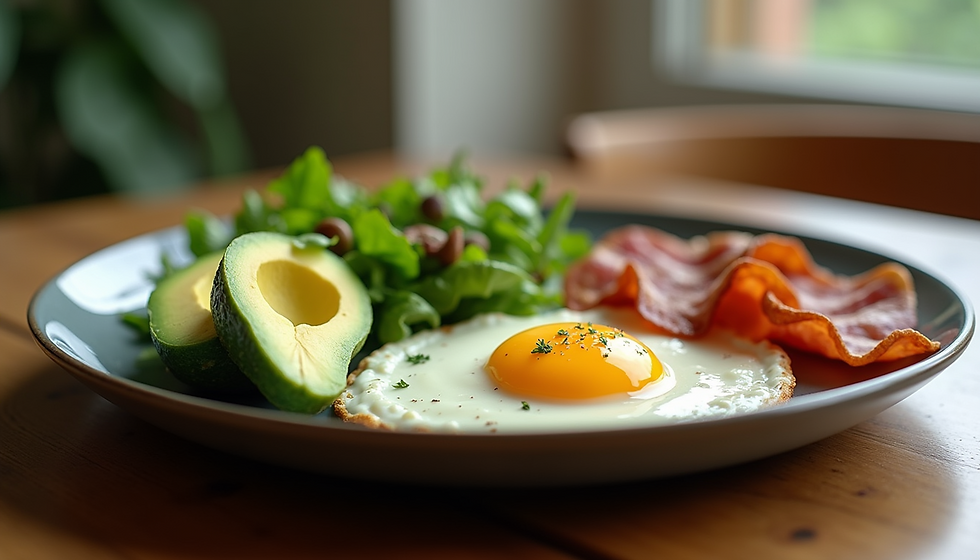
Healthy fats: Nuts, seeds, avocados, and olive oil support brain health and hormone balance.
Avoid processed foods high in added sugars, unhealthy fats, and empty calories. These can lead to energy crashes and cravings that undermine weight loss efforts.
Control Portion Sizes Without Starving Yourself
Portion control is essential for weight loss but does not mean eating tiny amounts. Instead, focus on balanced plates:
Fill half your plate with vegetables.
Allocate one quarter to lean protein.
Reserve the remaining quarter for whole grains or starchy vegetables.
Using smaller plates and bowls can help reduce portions naturally. Eating slowly and paying attention to hunger cues also prevents overeating.
Plan Meals and Snacks to Avoid Impulse Eating
Planning meals ahead reduces the chance of grabbing unhealthy options when hunger strikes. Try these tips:
Prepare meals in advance for busy days.
Keep healthy snacks like nuts, fruit, or yogurt handy.
Drink water regularly to stay hydrated and reduce false hunger signals.
Having a plan helps maintain consistency and keeps your diet on track.
Include Physical Activity to Support Weight Loss
While diet plays the biggest role in weight loss, combining it with regular physical activity improves results and overall health. Aim for:
At least 150 minutes of moderate exercise per week, such as brisk walking or cycling.
Strength training twice a week to build muscle and boost metabolism.
Exercise also improves mood and energy, making it easier to stick with your diet plan.
Monitor Progress and Adjust as Needed
Track your food intake, weight, and how you feel to identify what works best. Use a journal or app to log meals and activity. If weight loss stalls:
Reassess portion sizes.
Check for hidden calories in drinks or snacks.
Increase physical activity slightly.
Remember, weight loss is not always linear. Focus on overall trends and improvements in health markers.
Build Habits for Long-Term Success
Sustainable weight loss depends on lasting lifestyle changes. Avoid fad diets that promise rapid results but are hard to maintain. Instead:
Set realistic goals.
Celebrate small victories.
Find healthy foods and recipes you enjoy.
Seek support from friends, family, or professionals.
Over time, these habits become part of your routine, making it easier to maintain a healthy weight.
Creating an effective diet plan for sustainable weight loss means choosing nutrient-rich foods, controlling portions, planning meals, staying active, and building healthy habits. This approach supports steady progress without feeling deprived or overwhelmed. Start small, stay consistent, and focus on nourishing your body for lasting results. Your next step is to design a meal plan that fits your tastes and schedule, then commit to making gradual improvements every day.


Comments