Effective Strategies for Quick Weight Loss Without Starvation
- rejul ravindran
- Dec 21, 2025
- 3 min read

Losing weight quickly often brings to mind extreme diets and hunger. Yet, starving yourself is neither healthy nor sustainable. It’s possible to shed pounds efficiently while still enjoying food and feeling satisfied. This post explores practical, science-backed strategies to help you lose weight fast without depriving your body.

Focus on Nutrient-Dense Foods
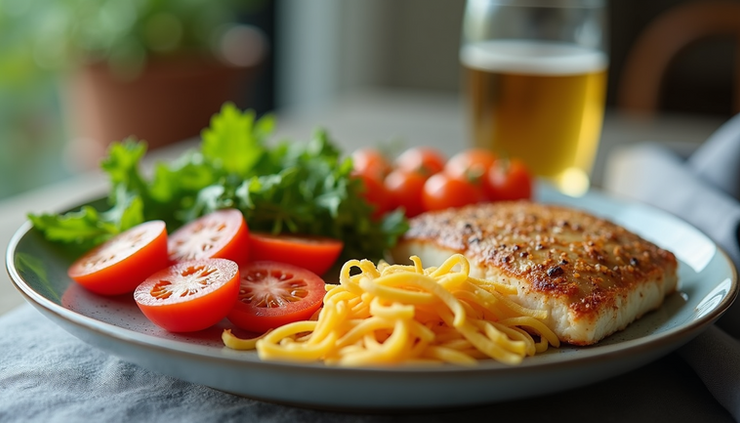
Choosing foods rich in nutrients but low in calories helps you feel full longer. Vegetables, fruits, lean proteins, and whole grains provide essential vitamins and minerals while keeping calorie intake in check. For example:
Leafy greens like spinach and kale add volume without many calories.
Lean proteins such as chicken breast, tofu, or fish support muscle maintenance and increase satiety.
Whole grains like quinoa and brown rice digest slowly, preventing blood sugar spikes.
Eating nutrient-dense meals reduces cravings and helps maintain energy levels, making it easier to stick to your weight loss plan.
Control Portions Without Counting Every Calorie
You don’t need to obsess over calorie counting to lose weight quickly. Instead, focus on portion control by using simple methods:
Use smaller plates to naturally limit serving sizes.
Fill half your plate with vegetables.
Measure portions of calorie-dense foods like nuts or oils.
This approach helps reduce overeating without the stress of tracking every bite. Over time, your body learns to recognize appropriate portion sizes.
Increase Protein Intake
Protein plays a key role in quick weight loss. It boosts metabolism, reduces appetite, and helps preserve muscle mass during calorie reduction. Studies show that higher protein diets can increase calorie burning by 80 to 100 calories per day.
Try to include a source of protein in every meal and snack. Examples include:
Greek yogurt or cottage cheese
Eggs or egg whites
Legumes like lentils and chickpeas
Protein-rich snacks curb hunger and prevent overeating later in the day.
Stay Hydrated and Drink Water Before Meals
Drinking water supports weight loss in several ways. It can increase metabolism slightly and help you feel full. Drinking a glass of water 30 minutes before meals reduces hunger and calorie intake.
Aim for at least 8 cups of water daily. Herbal teas and infused water with lemon or cucumber add variety without extra calories.
Incorporate Regular Physical Activity
Exercise accelerates weight loss by burning calories and improving metabolism. Combining cardio with strength training yields the best results:
Cardio exercises like brisk walking, cycling, or swimming burn fat efficiently.
Strength training builds muscle, which increases resting metabolic rate.
Even short daily workouts of 20 to 30 minutes can make a difference. Consistency is more important than intensity for sustainable weight loss.
Get Enough Sleep and Manage Stress
Lack of sleep and high stress levels disrupt hormones that regulate hunger and fat storage. Poor sleep increases cravings for sugary and high-fat foods, making quick weight loss harder.
Aim for 7 to 9 hours of quality sleep each night. Practice stress-reducing activities such as meditation, yoga, or deep breathing exercises to keep cortisol levels in check.
Avoid Empty Calories and Sugary Drinks
Cutting out sugary drinks and processed snacks can quickly reduce calorie intake. These items provide little nutrition and often lead to overeating.
Swap soda and juice for water or unsweetened tea. Replace chips and candy with nuts, seeds, or fresh fruit.
Plan Meals and Snacks Ahead
Planning meals reduces the temptation to grab unhealthy options. Prepare balanced meals and snacks in advance to stay on track. For example:
Pack a lunch with grilled chicken, quinoa, and steamed vegetables.
Keep cut veggies and hummus ready for quick snacks.
Meal prep saves time and supports consistent healthy eating.
Monitor Progress and Adjust as Needed
Track your weight loss progress weekly to stay motivated. If results slow down, adjust your calorie intake or increase physical activity. Remember, quick weight loss varies by individual factors like metabolism and starting weight.


Comments