Exploring the Latest Innovations in Dentistry for a Healthier Smile
- rejul ravindran
- 20 hours ago
- 3 min read

Dental care has changed dramatically over the past decade. New technologies and techniques are making treatments faster, less painful, and more effective. These advances help patients maintain healthier smiles with less hassle. Understanding the latest innovations in dentistry can empower you to make better decisions about your oral health.
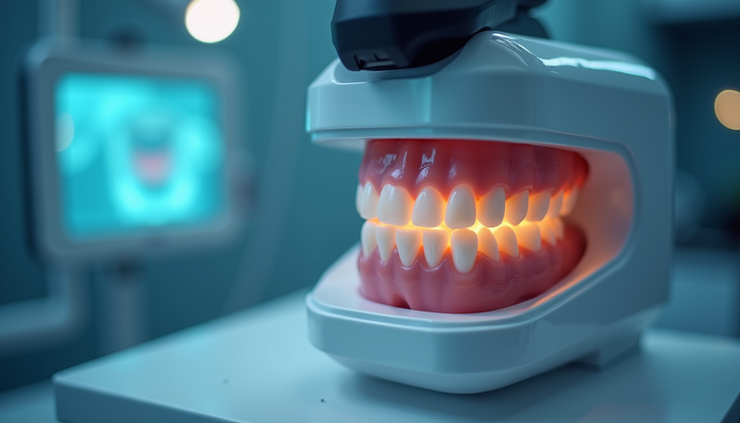
Digital Impressions and 3D Printing
Traditional dental impressions often cause discomfort and take time to process. Today, digital impressions use advanced scanners to create precise 3D images of your teeth and gums. These images allow dentists to design crowns, bridges, and aligners with greater accuracy.
3D printing complements this technology by producing dental restorations quickly and with high precision. For example, a crown can be designed digitally and printed in-office within hours, reducing the need for multiple visits. This approach improves patient comfort and speeds up treatment.
Laser Dentistry for Precision and Comfort
Lasers are becoming common tools in dental offices. They allow dentists to perform procedures with less pain and faster healing times. Laser dentistry can treat gum disease, remove decay, and reshape gums with minimal bleeding.
One practical benefit is that lasers reduce the need for anesthesia in many cases. Patients often experience less swelling and discomfort after laser treatments. This technology also lowers the risk of infection by sterilizing the area during the procedure.
Artificial Intelligence in Diagnosis and Treatment Planning
Artificial intelligence (AI) is transforming how dentists diagnose problems and plan treatments. AI software analyzes X-rays and scans to detect cavities, bone loss, and other issues earlier than traditional methods.
For example, AI can highlight areas of concern that might be missed by the human eye. This early detection helps prevent more serious problems and allows for less invasive treatments. AI also assists in creating personalized treatment plans based on a patient’s unique dental structure.
Teledentistry for Convenient Care
Teledentistry has grown in popularity, especially for patients with busy schedules or limited access to dental offices. Through video calls and digital communication, dentists can conduct consultations, follow-ups, and even some diagnostic assessments remotely.
This approach saves time and reduces the need for in-person visits. Patients can receive advice on oral hygiene, discuss symptoms, and get guidance on whether urgent care is needed. Teledentistry expands access to dental care, especially in rural or underserved areas.
Biocompatible Materials for Restorations
New materials used in fillings, crowns, and implants focus on biocompatibility and durability. These materials mimic natural tooth structure and reduce allergic reactions or sensitivities.
For instance, zirconia crowns offer a strong, natural-looking alternative to traditional metal crowns. They resist staining and wear, lasting many years with proper care. Advances in composite resins also allow for more aesthetic and long-lasting fillings that blend seamlessly with natural teeth.
Smart Toothbrushes and Oral Health Monitoring
Technology has entered everyday oral care with smart toothbrushes that track brushing habits and provide feedback. These devices connect to smartphone apps to monitor brushing time, pressure, and coverage.
Some models even detect early signs of gum disease by measuring inflammation markers in saliva. This data helps users improve their oral hygiene routines and alerts them to potential problems before they worsen.
The Role of Minimally Invasive Techniques
Minimally invasive dentistry focuses on preserving as much natural tooth structure as possible. Techniques like air abrasion and microdentistry remove decay without drilling or extensive tooth preparation.
These methods reduce discomfort and recovery time. They also help maintain tooth strength and reduce the risk of future fractures or sensitivity. Patients benefit from treatments that feel less intimidating and require fewer follow-up visits.
What This Means for Your Dental Care
The latest dental innovations offer many benefits:
Faster, more comfortable treatments
More accurate diagnoses and personalized care
Reduced need for anesthesia and invasive procedures
Improved access through remote consultations
Longer-lasting, natural-looking restorations
To take advantage of these advances, discuss new options with your dentist. Ask about digital impressions, laser treatments, or teledentistry services available at your clinic. Staying informed helps you choose care that fits your lifestyle and keeps your smile healthy.
Dental technology continues to evolve, making oral health easier to maintain and improving patient experiences. Embracing these innovations can lead to better outcomes and a more confident smile.



Comments