Mastering Calisthenics: The Ultimate Guide to Bodyweight Training for All Levels
- rejul ravindran
- 1 day ago
- 3 min read

Calisthenics offers a powerful way to build strength, flexibility, and endurance using only your bodyweight. It requires no fancy equipment, making it accessible to everyone, whether you are a beginner or an experienced athlete. This guide will walk you through the essentials of calisthenics, practical tips for progression, and how to create a balanced routine that fits your lifestyle.
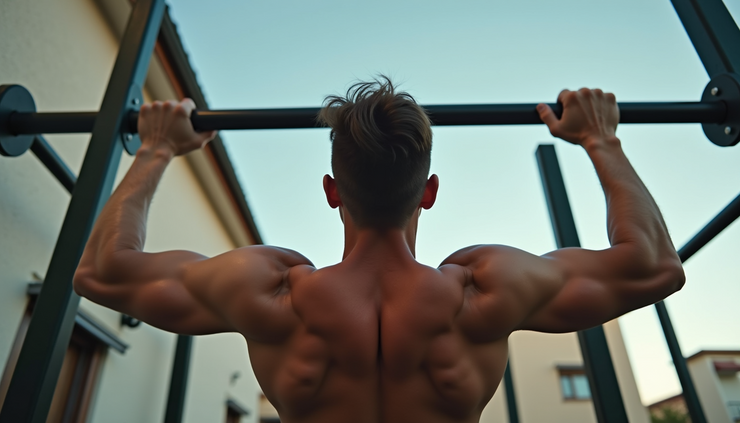
What Is Calisthenics and Why It Works
Calisthenics is a form of exercise that uses your bodyweight to improve fitness. Movements like push-ups, pull-ups, squats, and dips are common examples. The main advantage is that you can train anywhere without machines or weights. This makes it easy to stay consistent and adapt workouts to your skill level.
The focus on natural movement patterns helps develop functional strength. Instead of isolating muscles, calisthenics trains multiple muscle groups at once. This improves coordination, balance, and mobility. Over time, your body becomes stronger and more efficient in everyday activities.
Getting Started with Calisthenics
If you are new to calisthenics, start with basic exercises that build a solid foundation. Here are some beginner-friendly moves:
Push-ups: Strengthen your chest, shoulders, and triceps.
Bodyweight squats: Build leg and glute strength.
Planks: Improve core stability.
Assisted pull-ups: Use a resistance band or chair to reduce the load.
Glute bridges: Activate your posterior chain.
Focus on mastering proper form before increasing repetitions or difficulty. For example, keep your body straight during push-ups and avoid sagging hips in planks. Quality matters more than quantity to prevent injury and build strength effectively.
Progressing to Intermediate and Advanced Moves
Once you feel comfortable with the basics, you can challenge yourself with more complex exercises. These require greater strength, balance, and control:
Dips: Target your triceps and chest with a vertical pushing movement.
Pistol squats: Single-leg squats that improve balance and leg strength.
L-sits: Hold your body off the ground using your arms, engaging your core.
Muscle-ups: Combine a pull-up and dip in one fluid motion.
Handstand holds and push-ups: Build shoulder strength and balance.
Progression is key. Break down advanced moves into smaller steps. For example, practice negative muscle-ups by slowly lowering yourself from the top position. Use wall support for handstands until you develop balance.
Creating a Balanced Calisthenics Routine
A well-rounded routine targets all major muscle groups and includes strength, mobility, and endurance work. Here’s a sample weekly plan:
Day 1: Upper body strength
Push-ups, pull-ups, dips, planks
Day 2: Lower body and mobility
Squats, lunges, glute bridges, hip stretches
Day 3: Core and balance
L-sits, leg raises, hollow body holds, handstand practice
Day 4: Rest or active recovery
Light stretching, walking, or yoga
Day 5: Full-body circuit
Combine push-ups, squats, pull-ups, and planks in a timed circuit
Adjust the volume and intensity based on your goals and fitness level. Rest days are essential for recovery and muscle growth.
Tips for Staying Motivated and Avoiding Plateaus
Consistency is the foundation of progress in calisthenics. Here are ways to stay motivated:
Set clear, achievable goals, such as increasing reps or mastering a new move.
Track your progress with a workout journal or app.
Join a community or find a workout partner for support.
Vary your routine to keep it interesting and challenge different muscles.
Focus on form and control rather than rushing through exercises.
If you hit a plateau, try changing the tempo of your reps, adding holds, or increasing the difficulty of exercises. Small adjustments can reignite progress.
Benefits Beyond Strength
Calisthenics improves more than just muscle power. It enhances flexibility, joint health, and cardiovascular fitness. Many practitioners report better posture and reduced risk of injury. Because it uses natural body movements, it supports functional fitness that translates to daily life activities.
Additionally, calisthenics can boost mental health. The focus required during practice helps reduce stress and improve concentration. The sense of accomplishment from mastering new skills builds confidence.


Comments