Mastering the Cutting Diet: Tips for Lean Muscle and Fat Loss
- rejul ravindran
- 1 day ago
- 3 min read

Cutting fat while preserving lean muscle is a challenge many fitness enthusiasts face. The cutting diet is a powerful tool to help achieve a toned, defined physique without sacrificing strength or muscle mass. This post breaks down practical strategies to help you master the cutting diet and reach your fitness goals effectively.
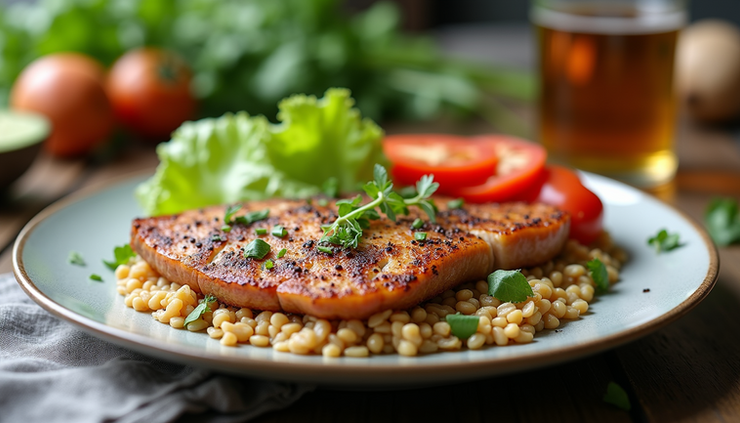
Understanding the Cutting Diet
A cutting diet focuses on reducing body fat while maintaining muscle. Unlike bulking, which emphasizes calorie surplus for muscle growth, cutting requires a calorie deficit. This means consuming fewer calories than your body burns daily. The goal is to lose fat without losing muscle, which demands careful attention to nutrition and training.
Key points about the cutting diet:
Calorie deficit is essential but should be moderate to avoid muscle loss.
Protein intake must be high to support muscle repair and retention.
Carbohydrates and fats are adjusted to fuel workouts and maintain energy.
Consistency and patience are critical for sustainable results.
Setting Realistic Goals and Tracking Progress
Before starting a cutting diet, set clear, achievable goals. Decide how much fat you want to lose and in what timeframe. A safe fat loss rate is about 0.5 to 1 pound per week. Faster weight loss often leads to muscle loss or rebound weight gain.
Track your progress with:
Body measurements such as waist, hips, and arms.
Body fat percentage using calipers or smart scales.
Progress photos taken weekly or biweekly.
Strength levels in the gym to ensure muscle is maintained.
Adjust your diet and training based on these metrics rather than just the scale.
Building Your Cutting Diet Plan
Prioritize Protein
Protein is the cornerstone of a cutting diet. It helps preserve muscle mass and keeps you feeling full longer. Aim for about 1.0 to 1.2 grams of protein per pound of body weight daily. Good protein sources include:
Chicken breast
Turkey
Lean beef
Fish and seafood
Eggs and egg whites
Low-fat dairy products
Plant-based proteins like tofu and legumes
Manage Carbohydrates Wisely
Carbohydrates provide energy for workouts and daily activities. During cutting, reduce carb intake but do not eliminate it. Focus on complex carbs with fiber to maintain energy and satiety:
Oats
Brown rice
Quinoa
Sweet potatoes
Vegetables
Timing carbs around workouts can improve performance and recovery. For example, consume carbs before and after training sessions.
Include Healthy Fats
Fats support hormone production and overall health. Include sources of healthy fats in moderation:
Avocados
Nuts and seeds
Olive oil
Fatty fish like salmon
Avoid trans fats and limit saturated fats.
Control Calories and Portion Sizes
Calculate your daily calorie needs using an online calculator or consult a nutritionist. Create a deficit of about 15-20% below maintenance calories. Use smaller plates, measure portions, and track food intake with apps to stay on target.
Training Tips to Support Fat Loss and Muscle Retention
Diet alone is not enough. Exercise plays a crucial role in preserving muscle and boosting fat loss.
Strength training at least 3-4 times per week helps maintain muscle mass.
Focus on compound movements like squats, deadlifts, bench presses, and rows.
Incorporate high-intensity interval training (HIIT) to burn fat efficiently.
Avoid excessive cardio that can lead to muscle loss.
Prioritize recovery with adequate sleep and rest days.
Common Mistakes to Avoid
Cutting calories too drastically can cause muscle loss and metabolic slowdown.
Neglecting protein intake reduces muscle preservation.
Skipping meals or extreme fasting can lower energy and performance.
Ignoring hydration affects metabolism and workout recovery.
Relying on supplements alone instead of whole foods.
Sample Cutting Diet Day
Breakfast: Egg whites omelet with spinach and a small serving of oats.
Snack: Greek yogurt with a handful of almonds.
Lunch: Grilled chicken breast, quinoa, and steamed broccoli.
Snack: Protein shake and an apple.
Dinner: Baked salmon, sweet potato, and mixed vegetables.
Optional: Cottage cheese before bed for slow-digesting protein.
Staying Motivated and Consistent
Cutting takes time and discipline. Keep motivation high by:
Setting short-term milestones.
Celebrating non-scale victories like improved strength or energy.
Preparing meals in advance to avoid unhealthy choices.
Finding a workout buddy or support group.
Remembering that consistency beats perfection.


Comments