The Essential Guide to Nutrition for a Healthier Lifestyle
- rejul ravindran
- Dec 21, 2025
- 3 min read

Good nutrition forms the foundation of a healthy lifestyle. What you eat affects your energy, mood, and long-term health. Yet, with so much conflicting information, it can be hard to know where to start. This guide breaks down key nutrition principles and practical tips to help you make better food choices every day.
Understanding the Basics of Nutrition
Nutrition involves the intake and use of food to support your body’s functions. The main nutrients your body needs include:
Carbohydrates: Your body’s primary energy source. Choose whole grains, fruits, and vegetables over refined sugars.
Proteins: Essential for muscle repair and immune function. Sources include lean meats, beans, nuts, and dairy.
Fats: Important for brain health and hormone production. Focus on healthy fats like olive oil, avocados, and fatty fish.
Vitamins and Minerals: Support various bodily functions such as bone health, immunity, and energy production. Eat a variety of colorful fruits and vegetables to cover these needs.
Water: Vital for hydration, digestion, and temperature regulation. Aim for at least 8 cups daily.
Each nutrient plays a unique role, so balance is key. Avoid extreme diets that eliminate entire food groups, as this can lead to deficiencies.
How to Build a Balanced Plate
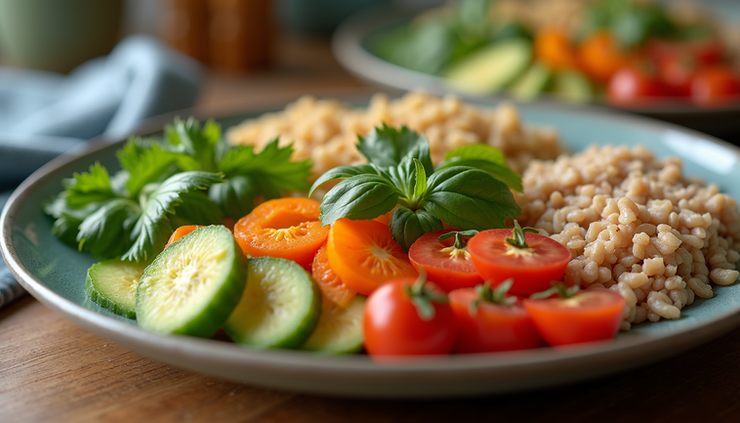
A simple way to improve nutrition is to think about your plate at each meal. Follow these guidelines:
Fill half your plate with vegetables and fruits. These provide fiber, vitamins, and antioxidants.
Allocate one quarter to lean protein sources. This helps maintain muscle and keeps you full longer.
Use the remaining quarter for whole grains like brown rice, quinoa, or whole wheat bread.
Add a small amount of healthy fats, such as a drizzle of olive oil or a handful of nuts.
This approach ensures you get a mix of nutrients without overloading on calories. For example, a meal with grilled chicken, steamed broccoli, quinoa, and a side salad with olive oil dressing fits this model well.
Practical Tips for Everyday Nutrition
Changing eating habits can feel overwhelming. Here are some practical steps to make nutrition easier:
Plan meals ahead: Preparing meals in advance reduces reliance on fast food or processed snacks.
Read labels: Look for added sugars, sodium, and unhealthy fats in packaged foods.
Cook at home more often: Home cooking lets you control ingredients and portion sizes.
Snack smart: Choose nuts, yogurt, or fruit instead of chips or candy.
Stay hydrated: Sometimes thirst is mistaken for hunger. Drink water regularly throughout the day.
Listen to your body: Eat when hungry and stop when satisfied, not stuffed.
Small changes add up over time and can lead to lasting improvements in health.
The Role of Nutrition in Preventing Disease
Good nutrition lowers the risk of many chronic diseases. Research shows:
Diets rich in fruits, vegetables, and whole grains reduce the risk of heart disease.
Maintaining a healthy weight through balanced eating helps prevent type 2 diabetes.
Adequate calcium and vitamin D intake supports bone strength and reduces osteoporosis risk.
Antioxidants from colorful produce may protect against certain cancers.
While genetics and lifestyle also play roles, nutrition is one of the most controllable factors for long-term health.
Special Considerations for Different Life Stages
Nutritional needs change throughout life. For example:
Children and teens need more calories and nutrients to support growth.
Pregnant women require extra folic acid, iron, and calcium.
Older adults may need more protein and vitamin B12 to maintain muscle and brain function.
People with certain health conditions should follow tailored nutrition plans advised by healthcare providers.
Understanding these differences helps ensure everyone gets the nutrients they need.
How to Stay Motivated on Your Nutrition Journey
Sticking to healthy eating habits can be challenging. Try these strategies:
Set realistic goals, such as adding one extra serving of vegetables daily.
Keep a food journal to track progress and identify patterns.
Find healthy recipes you enjoy to keep meals interesting.
Share your goals with friends or family for support.
Celebrate small victories to stay motivated.
Remember, nutrition is a lifelong journey, not a quick fix.

Comments