The Transformative Power of Yoga and Meditation for Mindfulness and Wellbeing
- rejul ravindran
- Dec 21, 2025
- 3 min read

In today’s busy world, many people struggle to find moments of calm and clarity. Stress, distractions, and constant demands can make it hard to stay present and balanced. Yoga and meditation offer practical ways to build mindfulness and improve overall wellbeing. These ancient practices help connect the body and mind, creating space for relaxation, focus, and self-awareness.
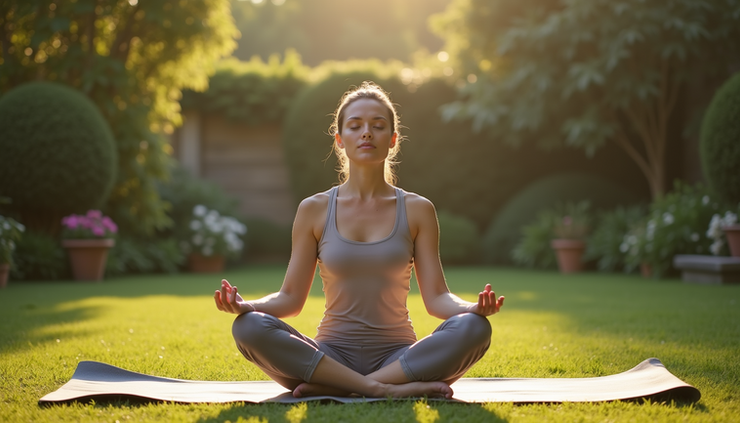
How Yoga Builds Mindfulness Through Movement
Yoga combines physical postures, breathing techniques, and mental focus. This combination encourages mindfulness by bringing attention to the present moment. When practicing yoga, you notice how your body feels, how your breath flows, and how your mind reacts. This awareness helps break the cycle of automatic thoughts and distractions.
Some key benefits of yoga for mindfulness include:
Improved body awareness
Yoga teaches you to listen to your body’s signals, which can reduce tension and prevent injury.
Enhanced breath control
Conscious breathing calms the nervous system and anchors your attention.
Mental clarity
Moving through poses with focus clears mental clutter and sharpens concentration.
For example, a simple yoga sequence like Sun Salutations encourages smooth, rhythmic movement paired with steady breathing. This flow naturally draws your mind inward, creating a meditative state. Over time, regular yoga practice strengthens your ability to stay present, even outside the yoga mat.
Meditation as a Tool for Mental Wellbeing
Meditation is a practice of training the mind to focus and redirect thoughts. It can take many forms, such as guided meditation, mindfulness meditation, or loving-kindness meditation. The goal is to develop a calm, clear, and non-judgmental awareness of the present moment.
Research shows meditation can:
Reduce symptoms of anxiety and depression
Lower blood pressure and improve heart health
Increase emotional resilience and patience
Enhance memory and cognitive function
One accessible meditation technique is mindfulness of breath. Sitting quietly and paying attention to each inhale and exhale helps you observe thoughts without getting caught up in them. This simple practice builds mental strength and reduces stress.
Combining Yoga and Meditation for Greater Impact
While yoga and meditation each offer unique benefits, combining them can deepen their effects. Yoga prepares the body and mind by releasing physical tension and focusing attention. Meditation then builds on this foundation by training the mind to stay calm and clear.
A typical session might start with gentle yoga poses to warm up and relax the body. Then, you transition into seated meditation to cultivate stillness and mindfulness. This combination supports both physical health and mental wellbeing.
Practical Tips to Start Your Practice
Starting yoga and meditation can feel overwhelming, but small steps make a big difference. Here are some tips to help you begin:
Set realistic goals
Start with 10 to 15 minutes a day and gradually increase as you feel comfortable.
Create a quiet space
Find a calm spot free from distractions where you can practice regularly.
Use guided resources
Apps, videos, or local classes can provide structure and support.
Be patient and kind to yourself
Progress takes time, and every session counts, even if it feels challenging.
Focus on consistency
Daily practice, even if brief, builds lasting habits and benefits.
Real-Life Example: How Yoga and Meditation Changed One Life
Consider the story of Sarah, a busy teacher who struggled with stress and sleepless nights. She started practicing yoga and meditation for 15 minutes each morning. Within weeks, she noticed less anxiety and better focus during her workday. Her sleep improved, and she felt more patient with her students and family. Sarah’s experience shows how these practices can create meaningful change in everyday life.
The Science Behind the Benefits
Studies support the positive effects of yoga and meditation on the brain and body. For instance, research published in the journal Frontiers in Human Neuroscience found that regular meditation increases gray matter density in areas linked to learning and memory. Another study in Psychosomatic Medicine showed yoga reduces inflammatory markers associated with stress.
These findings suggest that yoga and meditation do more than relax us—they actively improve brain function and physical health.
Bringing Mindfulness Into Daily Life
The ultimate goal of yoga and meditation is to carry mindfulness beyond practice time. This means noticing your thoughts, emotions, and sensations throughout the day without judgment. Mindfulness helps you respond to challenges with calm and clarity instead of reacting impulsively.
Simple ways to practice mindfulness daily include:
Paying attention to your breath during stressful moments
Taking mindful breaks to stretch or walk
Eating meals slowly and savoring each bite
Listening fully when talking with others
These small habits build resilience and improve wellbeing over time.


Comments