The Ultimate Guide to Choosing the Best Hair Curler for Your Style
- rejul ravindran
- Dec 21, 2025
- 3 min read

Finding the right hair curler can transform your daily routine and help you achieve the perfect look with ease. Whether you want loose waves, tight curls, or something in between, the right tool makes all the difference. This guide breaks down everything you need to know to pick a hair curler that suits your hair type, style goals, and lifestyle.

Understanding Different Types of Hair Curlers
Hair curlers come in various shapes and technologies, each designed to create specific curl styles. Knowing the differences helps you pick one that matches your desired look.
Clamp Curlers (Curling Irons)
These have a clamp that holds hair in place while you curl. They are great for beginners and offer control for defined curls or waves. Barrel sizes vary from small (around ¾ inch) for tight curls to large (2 inches or more) for loose waves.
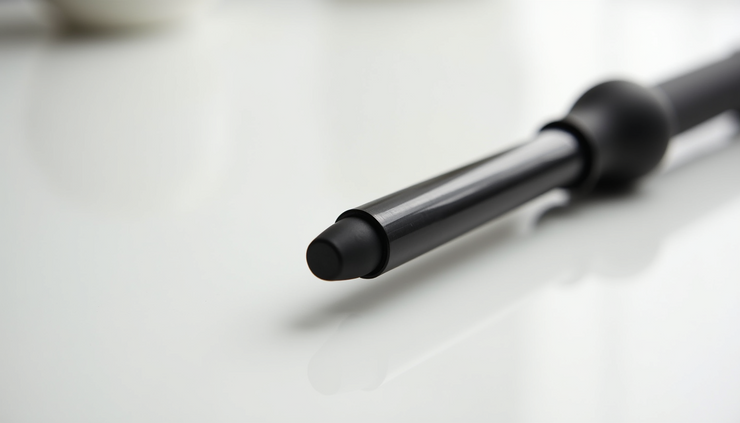
Wand Curlers
Without a clamp, these require wrapping hair around the barrel manually. They create natural, beachy waves and curls with less uniformity. Wands are popular for a relaxed, effortless style.
Automatic Curlers
These devices pull hair into a chamber where heat shapes the curl automatically. They save time and reduce the risk of burns but can be pricier and take some practice.
Hot Rollers
Heated rollers are placed in sections of hair and left to set. They provide volume and long-lasting curls but need more time and space to use.
Choosing the Right Barrel Size and Material
The barrel size affects the curl’s tightness and shape. Here’s how to decide:
Small barrels (¾ inch or less) create tight, spiral curls. Ideal for short hair or detailed styles.
Medium barrels (1 to 1.5 inches) offer versatile curls suitable for most hair lengths.
Large barrels (2 inches or more) produce loose waves and volume, perfect for long hair or soft styles.
Materials also impact heat distribution and hair health:
Ceramic heats evenly and reduces frizz, making it a popular choice for smooth, shiny curls.
Tourmaline emits negative ions that help seal hair cuticles, enhancing shine and reducing static.
Titanium heats quickly and maintains high temperatures, suitable for thick or coarse hair but requires careful use to avoid damage.
Matching Your Hair Type with the Right Curler
Your hair’s texture and condition influence which curler works best:
Fine or damaged hair
Use lower heat settings and ceramic or tourmaline barrels to protect strands. Smaller barrels can create volume without excessive heat.
Thick or coarse hair
Titanium or high-quality ceramic curlers with higher heat settings work well to hold curls longer. Larger barrels help create soft waves that last.
Straight hair
Medium to large barrels help add body and waves. Use heat protectant sprays to minimize damage.
Curly or wavy hair
Smaller barrels can redefine curls or add bounce. Avoid excessive heat to maintain natural texture.
Features to Look for in a Hair Curler
Beyond barrel size and material, several features improve usability and safety:
Adjustable temperature control
Allows you to customize heat based on hair type and style needs.
Fast heat-up time
Saves time during busy mornings.
Auto shut-off
Provides safety by turning off the device after inactivity.
Swivel cord
Prevents tangling and makes styling easier.
Cool tip
Protects fingers from burns during use.
Dual voltage
Useful for travel, especially internationally.
Tips for Using a Hair Curler Safely and Effectively
Using a hair curler properly protects your hair and helps you get the best results:
Always apply a heat protectant spray before curling.
Work with dry hair to avoid damage.
Section hair for even curls.
Hold the curler for 8-12 seconds per section, adjusting time based on hair thickness.
Let curls cool before touching to set the shape.
Avoid curling the same section multiple times.
Maintaining Your Hair Curler for Longevity
Keeping your curler clean and in good condition extends its life:
Wipe the barrel with a damp cloth after each use to remove product buildup.
Avoid wrapping the cord tightly around the device.
Store in a heat-resistant pouch or case.
Check the cord and plug regularly for damage.


Comments