The Ultimate Guide to Choosing the Best Hair Growth Oil
- rejul ravindran
- 1 day ago
- 3 min read

Hair thinning and slow growth affect many people, causing frustration and a search for effective solutions. Hair growth oils have become popular as natural ways to support healthier, thicker hair. But with so many options available, how do you find the best hair growth oil for your needs? This guide breaks down what to look for, how these oils work, and tips to get the most from your choice.
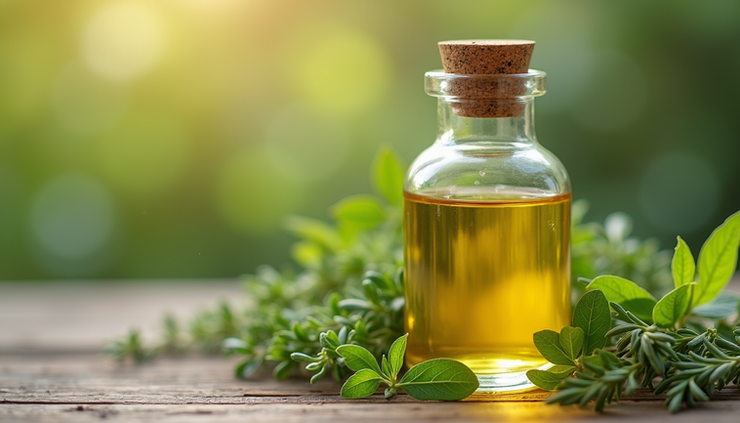
How Hair Growth Oils Work
Hair growth oils nourish the scalp and hair follicles, creating an environment that supports stronger, faster hair growth. They often contain natural ingredients rich in vitamins, antioxidants, and fatty acids. These components help:
Improve blood circulation to the scalp
Strengthen hair strands
Reduce scalp inflammation and dryness
Protect hair from damage
For example, oils like castor oil contain ricinoleic acid, which may increase circulation and promote hair growth. Coconut oil penetrates the hair shaft to reduce protein loss, making hair stronger and less prone to breakage.
Key Ingredients to Look For
Choosing the right hair growth oil means understanding the ingredients that benefit your hair type and concerns. Here are some common, effective ingredients:
Castor Oil: Thick and rich, it supports scalp health and hair growth.
Argan Oil: Packed with vitamin E and antioxidants, it moisturizes and strengthens hair.
Rosemary Oil: Known for stimulating blood flow to the scalp, it may help reduce hair thinning.
Peppermint Oil: Provides a cooling effect and improves circulation.
Jojoba Oil: Closely mimics natural scalp oils, balancing moisture without clogging pores.
Tea Tree Oil: Helps reduce dandruff and scalp irritation, creating a healthy base for growth.
Look for oils that combine several of these ingredients for a balanced formula. Avoid products with heavy silicones or artificial fragrances that can weigh hair down or irritate the scalp.
How to Choose the Best Hair Growth Oil for Your Hair Type
Different hair types respond better to certain oils. Here’s a quick guide:
Oily Hair: Choose lightweight oils like jojoba or grapeseed oil that won’t clog pores.
Dry or Curly Hair: Rich oils like castor, argan, or coconut oil provide deep moisture.
Sensitive Scalp: Oils with soothing ingredients like tea tree or chamomile reduce irritation.
Thinning Hair: Stimulating oils such as rosemary or peppermint can improve scalp circulation.
Test a small amount first to check for any allergic reactions or sensitivity.
How to Use Hair Growth Oil Effectively
Applying hair growth oil correctly maximizes its benefits. Follow these steps:
Warm the oil slightly to improve absorption.
Massage gently into the scalp for 5-10 minutes to boost blood flow.
Leave the oil on for at least 30 minutes, or overnight for deeper conditioning.
Wash hair with a mild shampoo to remove excess oil without stripping moisture.
Use 2-3 times per week for best results.
Consistency is key. Results usually appear after several weeks of regular use.
Common Mistakes to Avoid
Even the best hair growth oil won’t work if used incorrectly. Avoid these pitfalls:
Applying too much oil, which can cause buildup and greasy hair.
Skipping scalp massage, which reduces circulation benefits.
Washing hair too frequently, stripping natural oils and drying the scalp.
Expecting overnight miracles; hair growth takes time and patience.
Natural Alternatives and DIY Hair Growth Oils
If you prefer homemade options, you can blend oils at home. A simple recipe includes:
2 tablespoons castor oil
1 tablespoon coconut oil
5 drops rosemary essential oil
Mix and apply as described above. This blend combines moisturizing and stimulating properties.
When to See a Specialist
If hair loss is sudden, patchy, or accompanied by scalp pain or itching, consult a dermatologist. Hair growth oils support healthy hair but do not treat underlying medical conditions like alopecia or scalp infections.


Comments