The Ultimate Guide to Choosing the Best Vitamin C Serum for Your Skin
- rejul ravindran
- 1 day ago
- 3 min read

Vitamin C serums have become a staple in skincare routines worldwide. Their reputation for brightening skin, reducing signs of aging, and protecting against environmental damage makes them highly sought after. But with so many options available, finding the best vitamin C serum can feel overwhelming. This guide breaks down everything you need to know to pick the right serum for your skin type and goals.
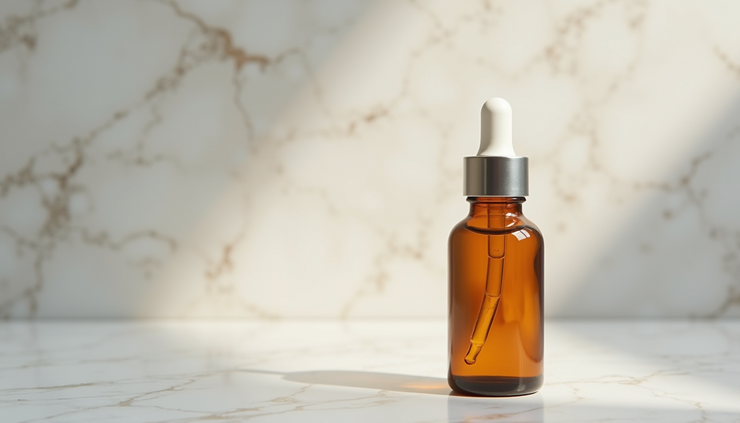
Why Vitamin C Serum Matters in Skincare
Vitamin C is a powerful antioxidant that helps protect skin from free radicals caused by UV rays and pollution. It also supports collagen production, which keeps skin firm and smooth. Regular use of vitamin C serum can:
Brighten dull skin and even out skin tone
Reduce the appearance of fine lines and wrinkles
Help fade dark spots and hyperpigmentation
Protect skin from environmental damage
Because vitamin C is water-soluble and unstable when exposed to air and light, serums are the best way to deliver it effectively to your skin.
Key Ingredients to Look for in Vitamin C Serums
Not all vitamin C serums are created equal. The type of vitamin C and supporting ingredients affect how well the serum works and how gentle it is on your skin.
Forms of Vitamin C
L-Ascorbic Acid: The most researched and potent form. It penetrates skin well but can cause irritation for sensitive skin. Look for concentrations between 10% and 20% for best results.
Magnesium Ascorbyl Phosphate (MAP): A stable, gentle form suitable for sensitive skin. It brightens skin and boosts collagen but is less potent than L-ascorbic acid.
Sodium Ascorbyl Phosphate (SAP): Another stable, mild form that works well for acne-prone skin.
Ascorbyl Glucoside: A stable form that converts to vitamin C in the skin, offering brightening benefits with low irritation risk.
Supporting Ingredients
Vitamin E: Enhances antioxidant effects and stabilizes vitamin C.
Ferulic Acid: Boosts vitamin C’s stability and effectiveness.
Hyaluronic Acid: Adds hydration and plumps skin.
Niacinamide: Helps with skin tone and barrier repair but may reduce vitamin C effectiveness if used together in high concentrations.
How to Choose the Best Vitamin C Serum for Your Skin Type
For Sensitive Skin
Choose serums with gentle vitamin C forms like MAP or SAP. Look for added soothing ingredients like aloe vera or chamomile. Avoid high concentrations of L-ascorbic acid, which can cause redness or irritation.
For Oily or Acne-Prone Skin
Opt for lightweight, non-comedogenic serums with SAP or L-ascorbic acid at lower concentrations (around 10%). Ingredients like niacinamide can help control oil and reduce inflammation.
For Dry Skin
Pick serums with hydrating ingredients such as hyaluronic acid and vitamin E. L-ascorbic acid at 15-20% can work well if your skin tolerates it, as it supports collagen and skin repair.
For Mature Skin
Look for serums with higher concentrations of L-ascorbic acid combined with ferulic acid and vitamin E. These ingredients work together to reduce wrinkles and improve firmness.
How to Use Vitamin C Serum Effectively
Apply in the morning after cleansing and before moisturizer and sunscreen. Vitamin C helps protect skin from daily environmental damage.
Use a few drops and gently pat onto face and neck. Avoid rubbing to prevent irritation.
Follow with a broad-spectrum sunscreen of SPF 30 or higher. Vitamin C can make skin more sensitive to sunlight.
Start with every other day application if you have sensitive skin, then increase to daily use as tolerated.
Store serum in a cool, dark place to maintain potency.
Common Mistakes to Avoid
Using expired or discolored serums. Vitamin C oxidizes and loses effectiveness when exposed to air and light.
Applying too much serum, which can cause irritation. A pea-sized amount is enough for the entire face.
Skipping sunscreen. Vitamin C protects against damage but does not replace sunscreen.
Mixing vitamin C with incompatible products like high concentrations of niacinamide or benzoyl peroxide, which can reduce effectiveness.
Recommended Vitamin C Serums to Try
SkinCeuticals C E Ferulic: Contains 15% L-ascorbic acid, vitamin E, and ferulic acid. Known for its stability and effectiveness.
La Roche-Posay Pure Vitamin C Face Serum: 10% L-ascorbic acid with salicylic acid, suitable for sensitive and acne-prone skin.
The Ordinary Magnesium Ascorbyl Phosphate 10%: Affordable, gentle option for brightening and hydration.
Drunk Elephant C-Firma Day Serum: 15% L-ascorbic acid with ferulic acid and pumpkin ferment extract for antioxidant protection.
Each serum suits different skin types and budgets, so choose based on your needs and preferences.


Comments