The Ultimate Guide to Choosing the Right Dumbbells for Your Fitness Journey
- rejul ravindran
- 1 day ago
- 3 min read

Starting a fitness journey can feel overwhelming, especially when faced with countless equipment options. Dumbbells stand out as one of the most versatile and effective tools for strength training at home or in the gym. Choosing the right dumbbells can make a big difference in your workouts and progress. This guide breaks down everything you need to know to pick dumbbells that fit your goals, space, and budget.
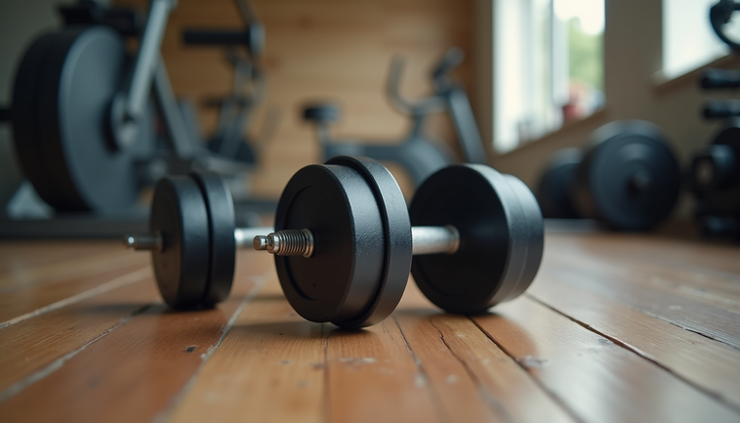
Types of Dumbbells and Their Benefits
Understanding the different types of dumbbells helps you decide which suits your workout style and space.
Fixed-weight dumbbells
These come in a set with a specific weight for each pair. They are durable and easy to use but require more storage space if you want multiple weights.
Adjustable dumbbells
These allow you to change the weight by adding or removing plates or using a dial system. They save space and money in the long run but can be less convenient to adjust during workouts.
Selectorized dumbbells
A subtype of adjustable dumbbells, these use a pin or dial to quickly select weight increments. They are ideal for fast-paced workouts and limited space.
Studio dumbbells
Usually lighter, coated in neoprene or vinyl, and designed for aerobic or rehabilitation exercises. They are comfortable to grip but not suitable for heavy lifting.
How to Choose Dumbbells Based on Your Fitness Goals
Your fitness goals influence the type and weight range of dumbbells you should buy.
For beginners and general fitness
Start with lighter fixed-weight dumbbells ranging from 5 to 15 pounds. This range supports learning proper form and building endurance.
For muscle building and strength training
Choose adjustable or selectorized dumbbells that can go up to 50 pounds or more. This allows progressive overload, which is key to muscle growth.
For rehabilitation or aerobic workouts
Light studio dumbbells between 1 and 5 pounds are best. They provide resistance without risking injury.
For home gyms with limited space
Adjustable or selectorized dumbbells are space-efficient and versatile, covering a wide weight range in one set.
Material and Grip Considerations
The material and grip of dumbbells affect comfort, durability, and safety during workouts.
Cast iron dumbbells
Very durable but can damage floors if dropped. They often have a rough grip, which may require gloves.
Rubber-coated dumbbells
Protect floors and reduce noise. The coating also improves grip and comfort.
Neoprene or vinyl dumbbells
Lightweight and colorful, ideal for light workouts. The coating offers a soft grip but wears out faster.
Chrome dumbbells
Sleek and rust-resistant but can be slippery when hands sweat.
Look for dumbbells with ergonomic handles and textured grips to prevent slipping and reduce hand fatigue.
Weight Increments and Progression
Choosing dumbbells with appropriate weight increments helps you progress steadily.
Beginners should increase weight in small steps, such as 2.5 to 5 pounds.
Intermediate and advanced users may prefer increments of 5 to 10 pounds.
Adjustable dumbbells often allow increments as small as 2.5 pounds, which is ideal for gradual strength gains.
Budget and Durability
Dumbbells vary widely in price depending on type, material, and brand.
Fixed-weight dumbbells are generally affordable but require buying multiple pairs.
Adjustable dumbbells have a higher upfront cost but save money over time.
Rubber-coated and neoprene dumbbells offer good durability for their price.
Avoid very cheap dumbbells with poor build quality, as they may break or cause injury.
Investing in quality dumbbells ensures safety and long-term use.
Storage and Space Requirements
Consider where you will store your dumbbells.
Fixed-weight sets need racks or shelves and more floor space.
Adjustable dumbbells fit in compact cases or trays.
Some adjustable models come with stands that keep your workout area tidy.
Measure your available space before purchasing to avoid clutter.
Tips for Maintaining Your Dumbbells
Proper care extends the life of your dumbbells.
Wipe down dumbbells after each use to remove sweat and prevent rust.
Store them in a dry place away from moisture.
Check adjustable dumbbells regularly to ensure plates and mechanisms are secure.
Avoid dropping dumbbells to protect both the equipment and your floor.
Sample Dumbbell Workout for Beginners
Here is a simple workout using dumbbells to get started:
Dumbbell squats: 3 sets of 12 reps
Dumbbell bench press (or floor press): 3 sets of 10 reps
Dumbbell rows: 3 sets of 12 reps per arm
Dumbbell shoulder press: 3 sets of 10 reps
Dumbbell bicep curls: 3 sets of 15 reps
Dumbbell tricep kickbacks: 3 sets of 15 reps
Start with a weight that challenges you but allows proper form. Increase weight gradually as you get stronger.


Comments