The Ultimate Guide to Successful Keto Dieting for Beginners
- rejul ravindran
- Dec 21, 2025
- 3 min read

Starting a keto diet can feel overwhelming. With so many rules and conflicting advice, it’s easy to get lost before you even begin. This guide breaks down the essentials of keto dieting in a clear, practical way to help beginners succeed. You’ll learn what keto really means, how to start, and tips to stay on track without feeling deprived.

What Is the Keto Diet?
The ketogenic diet focuses on reducing carbohydrate intake drastically and increasing fat consumption. This shift forces your body to enter a state called ketosis, where it burns fat for energy instead of carbs. The main goal is to help your body use fat as its primary fuel source, which can support weight loss and improve energy levels.
Key Principles of Keto
Low carbs: Usually under 50 grams per day, sometimes as low as 20 grams.
High fat: Around 70-75% of your daily calories come from fats.
Moderate protein: Protein intake is moderate to avoid converting excess protein into glucose.
How to Start a Keto Diet
Starting keto requires planning and understanding what foods fit the plan. Here’s a simple step-by-step approach:
1. Clear Out High-Carb Foods
Remove bread, pasta, rice, sugary snacks, and most fruits from your kitchen. These foods can quickly push you out of ketosis.
2. Stock Up on Keto-Friendly Foods
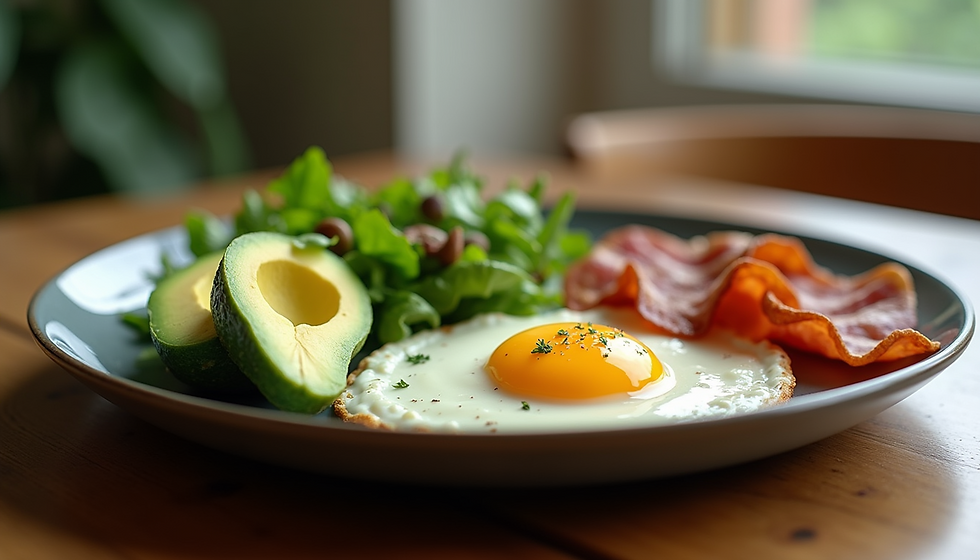
Focus on foods rich in healthy fats and low in carbs:
Avocados
Nuts and seeds
Olive oil and coconut oil
Fatty fish like salmon
Eggs
Cheese
Low-carb vegetables such as spinach, kale, and broccoli
3. Track Your Macros
Use an app or journal to track your daily intake of carbs, fats, and proteins. This helps ensure you stay within keto guidelines and reach ketosis faster.
4. Stay Hydrated and Balance Electrolytes
Keto can cause your body to lose water and minerals quickly. Drink plenty of water and consider adding salt, magnesium, and potassium to avoid symptoms like headaches or fatigue.
Common Challenges and How to Overcome Them
Keto Flu
Many beginners experience flu-like symptoms during the first week. This happens as your body adjusts to burning fat instead of carbs. To ease symptoms:
Drink extra water
Increase salt intake
Get enough rest
Cravings for Carbs
Cravings are normal but can be managed by:
Eating enough fat to feel full
Snacking on keto-friendly foods like nuts or cheese
Keeping busy to avoid boredom eating
Eating Out on Keto
Dining out can be tricky but not impossible. Choose dishes with:
Grilled meats or fish
Salads with olive oil dressing
Avoid bread, rice, and sugary sauces
Don’t hesitate to ask for substitutions or modifications.
Benefits You Can Expect
Many people report several benefits when following a keto diet, including:
Weight loss due to fat burning
Improved mental clarity and focus
Steadier energy levels without sugar crashes
Reduced hunger and cravings
Remember, results vary by individual and depend on consistency.
Sample Keto Meal Plan for Beginners
Here’s a simple day of eating to get you started:
Breakfast: Scrambled eggs cooked in butter with spinach and avocado slices
Lunch: Grilled chicken salad with olive oil dressing and a handful of nuts
Snack: Cheese cubes or a small portion of almonds
Dinner: Baked salmon with steamed broccoli and cauliflower rice
Tips for Long-Term Success
Plan meals ahead: Avoid last-minute carb temptations by prepping meals.
Experiment with recipes: Keep meals interesting by trying new keto-friendly dishes.
Listen to your body: Adjust fat and protein intake based on how you feel.
Stay patient: It takes time for your body to fully adapt to keto.


Comments