Ultimate Bulking Meal Plan for Maximum Muscle Gain
- rejul ravindran
- Dec 21, 2025
- 3 min read

Building muscle requires more than just hitting the gym hard. Nutrition plays a crucial role in maximizing muscle growth, and having a solid bulking meal plan can make all the difference. This guide breaks down how to fuel your body effectively to gain muscle mass without unnecessary fat.
Why Nutrition Matters for Bulking
Muscle growth happens when your body is in a calorie surplus, meaning you consume more calories than you burn. But not all calories are equal. The quality of your food affects how much muscle you gain versus fat. A bulking meal plan focuses on:
Providing enough protein to repair and build muscle fibers
Supplying carbohydrates to fuel workouts and replenish glycogen stores
Including healthy fats to support hormone production and overall health
Without the right balance, you risk gaining excess fat or stalling muscle growth.
Key Components of a Bulking Meal Plan
Protein
Protein is the building block of muscle. Aim for about 1.0 to 1.5 grams of protein per pound of body weight daily. Good sources include:
Chicken breast
Lean beef
Fish like salmon or tuna
Eggs and egg whites
Greek yogurt and cottage cheese
Plant-based options like lentils, chickpeas, and tofu
Spread protein intake evenly across meals to maximize muscle protein synthesis.
Carbohydrates
Carbs provide the energy needed for intense training sessions. Focus on complex carbohydrates that digest slowly and keep energy levels stable:
Brown rice
Quinoa
Sweet potatoes
Oats
Whole wheat pasta and bread
Vegetables like broccoli, spinach, and carrots
Include simple carbs like fruit around workouts to boost energy and recovery.
Fats
Healthy fats support hormone production, including testosterone, which is important for muscle growth. Include sources such as:
Avocados
Nuts and seeds
Olive oil and coconut oil
Fatty fish like salmon and mackerel
Keep fat intake moderate, around 20-30% of your total calories.
Sample Bulking Meal Plan
Here’s a practical example of a daily meal plan designed for muscle gain. Adjust portion sizes based on your calorie needs.
Breakfast
4 egg whites and 2 whole eggs scrambled with spinach and tomatoes
1 cup cooked oats topped with a handful of berries and a tablespoon of almond butter
1 glass of low-fat milk or plant-based alternative
Mid-Morning Snack
Greek yogurt with a tablespoon of honey and mixed nuts
1 medium banana
Lunch
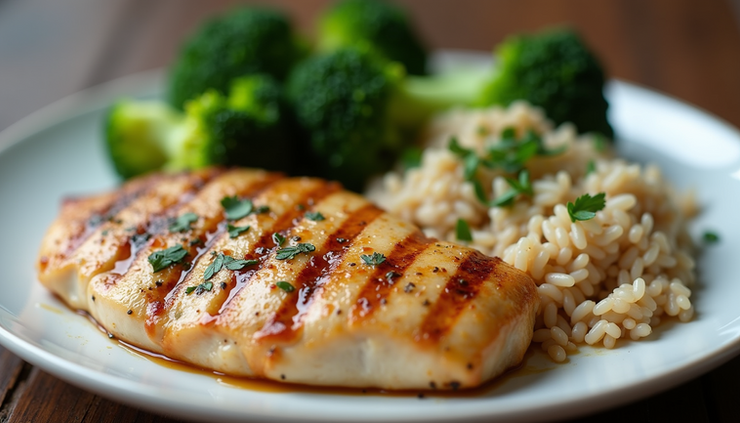
Grilled chicken breast (6 oz)
1 cup cooked brown rice
Steamed broccoli and carrots
1 tablespoon olive oil drizzled over vegetables
Afternoon Snack
Protein shake with whey or plant protein powder
1 apple or orange
Dinner
Baked salmon (6 oz)
Quinoa salad with cucumbers, cherry tomatoes, and olive oil
Steamed asparagus
Evening Snack
Cottage cheese (1 cup) with sliced pineapple or peach
Tips for Success
Meal Prep: Preparing meals in advance saves time and helps stick to your plan.
Hydration: Drink plenty of water throughout the day to support muscle function and recovery.
Consistency: Eating consistently every 3-4 hours keeps your metabolism active and muscles fueled.
Adjust Calories: Track your progress and adjust calorie intake if you gain too much fat or not enough muscle.
Supplements: Use supplements like creatine or branched-chain amino acids (BCAAs) if needed, but focus on whole foods first.
Avoid Common Bulking Mistakes
Eating too many empty calories from junk food leads to fat gain, not muscle.
Neglecting vegetables reduces nutrient intake and digestion quality.
Skipping meals or not eating enough protein slows muscle growth.
Ignoring recovery and sleep can limit gains despite good nutrition.
Muscle building requires a balanced approach combining training, nutrition, and rest.


Comments