Ultimate Guide to the Paleo Diet for Beginners and Beyond
- rejul ravindran
- 19 hours ago
- 3 min read

The Paleo diet has gained popularity as a way to eat more naturally and improve overall health. It focuses on foods that our ancestors might have eaten during the Paleolithic era, avoiding processed items and modern agricultural products. If you want to understand what the Paleo diet involves, how to start it, and how to maintain it long term, this guide will walk you through everything you need to know.

What Is the Paleo Diet?
The Paleo diet is based on the idea that humans should eat foods similar to those available to early hunter-gatherers. This means focusing on whole, unprocessed foods such as:
Lean meats, especially grass-fed or wild-caught
Fish and seafood
Fresh fruits and vegetables
Nuts and seeds
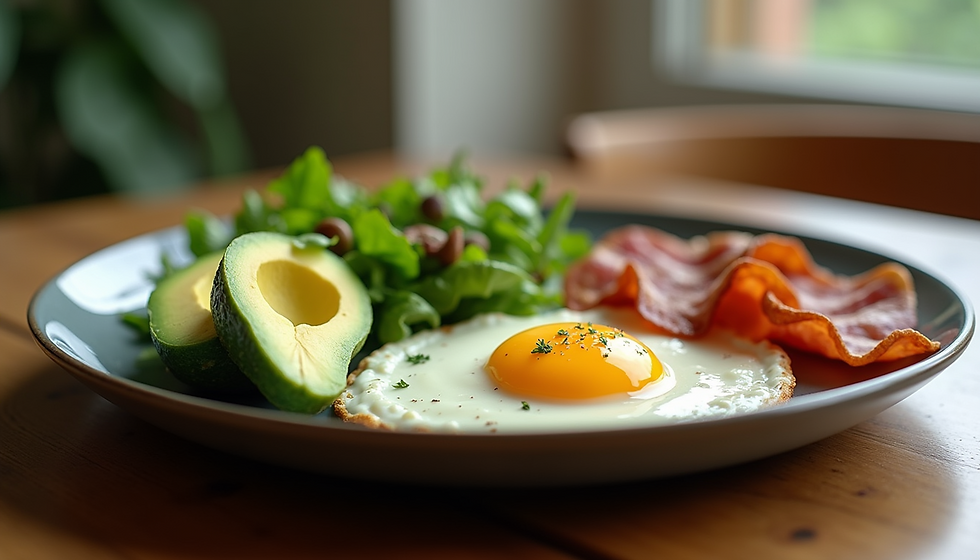
Healthy fats like olive oil and avocado
The diet excludes foods introduced by farming and food processing, such as:
Grains like wheat, rice, and corn
Legumes including beans and peanuts
Dairy products
Refined sugar and processed foods
Artificial additives and preservatives
The goal is to eat nutrient-dense foods that support natural body functions and avoid foods linked to inflammation and chronic diseases.
Benefits of Following the Paleo Diet
Many people turn to the Paleo diet to improve energy, lose weight, or manage health conditions. Research and anecdotal evidence suggest several potential benefits:
Improved blood sugar control: Cutting out refined carbs and sugar can help stabilize blood sugar levels.
Weight loss: The diet’s focus on protein and fiber-rich vegetables can reduce hunger and calorie intake.
Better digestion: Eliminating processed foods and grains may ease digestive issues for some.
Reduced inflammation: Whole foods rich in antioxidants and omega-3 fats can lower inflammation markers.
Increased nutrient intake: Eating a variety of fresh produce and quality meats boosts vitamins and minerals.
Keep in mind that individual results vary, and it’s important to listen to your body and adjust the diet as needed.
How to Start the Paleo Diet
Starting the Paleo diet can feel overwhelming, but breaking it down into steps makes it manageable:
Clear out non-Paleo foods
Remove grains, dairy, processed snacks, and sugary items from your kitchen.
Stock up on Paleo staples
Buy fresh vegetables, fruits, nuts, seeds, eggs, and quality meats.
Plan simple meals
Focus on meals like grilled chicken with roasted vegetables, salmon with salad, or stir-fried veggies with nuts.
Learn to read labels
Avoid hidden sugars, preservatives, and additives in packaged foods.
Experiment with Paleo-friendly recipes
Try dishes like cauliflower rice, sweet potato hash, or almond flour pancakes.
Stay hydrated
Drink plenty of water and herbal teas, avoiding sugary drinks.
Starting gradually can help your body adjust and make the diet feel less restrictive.
Common Challenges and How to Overcome Them
Switching to the Paleo diet can bring some challenges. Here are common issues and practical tips:
Cravings for carbs or sweets
Try natural sweeteners like honey or fruit, and include healthy fats to feel full.
Eating out or social events
Look for grilled meats and vegetable sides, or bring your own Paleo snacks.
Time for meal prep
Batch cook meals or chop vegetables in advance to save time during the week.
Cost concerns
Buy seasonal produce, shop sales, and consider frozen vegetables and meats.
Missing dairy or grains
Find alternatives like coconut milk, almond flour, or tapioca starch for baking.
Being prepared and flexible helps maintain the diet without feeling deprived.
Tips for Long-Term Success
To keep the Paleo diet sustainable and enjoyable, consider these tips:
Focus on variety
Rotate different vegetables, meats, and nuts to avoid boredom and nutrient gaps.
Listen to your body
Adjust portions and food choices based on energy levels and digestion.
Include occasional treats
Use Paleo-friendly desserts or snacks to satisfy cravings without breaking the diet.
Stay active
Combine the diet with regular physical activity for better health outcomes.
Connect with others
Join Paleo communities or forums for support, recipe ideas, and motivation.
Foods to Avoid on the Paleo Diet
Knowing what to skip is as important as knowing what to eat. Avoid these common non-Paleo foods:
Bread, pasta, and cereals made from wheat, corn, or rice
Beans, lentils, and peanuts
Milk, cheese, yogurt, and other dairy products
Processed snacks like chips, cookies, and candy
Refined sugar, high-fructose corn syrup, and artificial sweeteners
Vegetable oils like soybean, corn, and canola oil
Replacing these with whole foods helps reduce inflammation and supports natural metabolism.
Sample Paleo Meal Plan for a Day
Here is a simple example to get started:
Breakfast: Scrambled eggs with spinach and avocado slices
Lunch: Grilled chicken salad with mixed greens, cherry tomatoes, and olive oil dressing
Snack: A handful of almonds and an apple
Dinner: Baked salmon with roasted sweet potatoes and steamed broccoli
This plan provides balanced nutrients and keeps meals interesting.


Comments