Understanding Syphilis: Symptoms, Treatment, and Prevention Strategies
- rejul ravindran
- Dec 21, 2025
- 3 min read

Syphilis remains a significant public health concern worldwide. Despite advances in medicine, this bacterial infection continues to affect thousands of people each year. Understanding syphilis, recognizing its symptoms, knowing how it is treated, and learning effective prevention strategies can help reduce its spread and impact. This article provides clear, practical information to help you stay informed and protect your health.
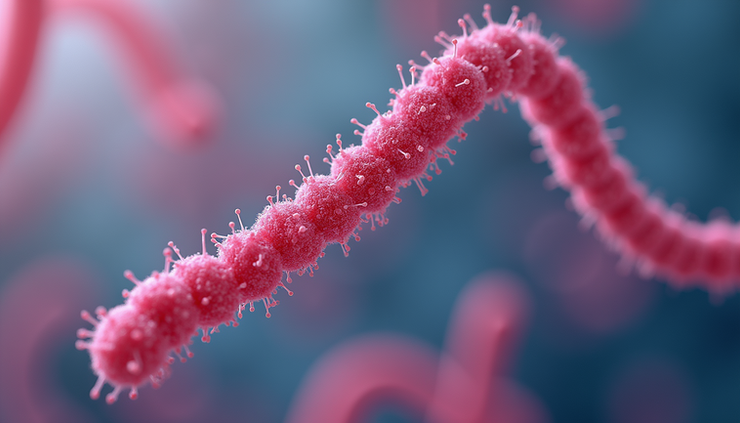
What Is Syphilis?
Syphilis is a sexually transmitted infection caused by the bacterium Treponema pallidum. It spreads mainly through direct contact with syphilitic sores during vaginal, anal, or oral sex. The infection can also pass from a pregnant person to their baby, leading to serious complications.
Syphilis progresses through several stages if left untreated. Each stage has distinct symptoms and health risks. Early detection and treatment are crucial to prevent long-term damage.
Recognizing the Symptoms of Syphilis
Symptoms of syphilis vary depending on the stage of infection. Some people may not notice symptoms at all, which makes regular testing important if you are sexually active.
Primary Stage
Appearance of a painless sore called a chancre at the infection site (genitals, anus, mouth)
The sore usually appears about 3 weeks after exposure
The chancre heals on its own within 3 to 6 weeks, even without treatment
Secondary Stage
Skin rash that often appears on the palms of the hands and soles of the feet
Mucous membrane lesions in the mouth, vagina, or anus
Fever, swollen lymph nodes, sore throat, fatigue, and muscle aches
Symptoms may last several weeks and then disappear without treatment
Latent Stage
No visible symptoms but the infection remains in the body
Can last for years
Without treatment, the infection can progress to the late stage
Tertiary Stage
Occurs in about 15-30% of untreated cases, years after initial infection
Can cause severe damage to the heart, brain, nerves, eyes, and other organs
Symptoms include difficulty coordinating muscle movements, paralysis, numbness, blindness, and dementia
How Syphilis Is Diagnosed
Doctors diagnose syphilis through blood tests that detect antibodies to the bacteria. In some cases, samples from sores may be examined under a microscope. Early diagnosis is key to effective treatment and preventing complications.
If you have symptoms or have had sexual contact with someone diagnosed with syphilis, seek medical advice promptly.
Treatment Options for Syphilis
Syphilis is treatable with antibiotics, most commonly penicillin. The treatment approach depends on the stage of infection:
Early stages: A single injection of penicillin usually cures the infection.
Late stages: Multiple doses over several weeks may be necessary.
For people allergic to penicillin, other antibiotics like doxycycline may be used, but penicillin remains the preferred treatment, especially during pregnancy.
After treatment, follow-up blood tests ensure the infection is fully cleared. Untreated syphilis can cause irreversible damage, so timely care is essential.
Preventing Syphilis
Preventing syphilis involves reducing exposure to the bacteria and practicing safer sexual behaviors. Here are effective prevention strategies:
Use condoms consistently and correctly during all types of sexual activity.
Limit the number of sexual partners and have open conversations about sexual health.
Get regular screenings if you are sexually active, especially if you have multiple partners or engage in high-risk behaviors.
Avoid sexual contact with anyone who has visible sores or symptoms of syphilis.
Pregnant people should receive prenatal care that includes syphilis testing to prevent transmission to the baby.
The Importance of Awareness and Testing
Many people with syphilis do not experience noticeable symptoms, which can lead to unknowingly spreading the infection. Regular testing is the best way to catch syphilis early. Testing is simple, confidential, and widely available at clinics and healthcare providers.
If you test positive, inform your sexual partners so they can get tested and treated if needed. This helps stop the infection from spreading further.
Living with Syphilis
With proper treatment, syphilis can be cured completely. After treatment, it is important to avoid sexual contact until your healthcare provider confirms the infection is gone. Follow all medical advice and attend follow-up appointments.
If you have had syphilis before, you can get infected again. Maintaining preventive measures is important even after successful treatment.


Comments