Understanding the Impact of Parasites on Human Health and Wellbeing
- rejul ravindran
- Dec 21, 2025
- 3 min read

Parasites affect millions of people worldwide, often in ways that go unnoticed or misunderstood. These organisms live on or inside a host, drawing nutrients and sometimes causing illness. Understanding how parasites influence human health is essential for preventing infections and improving wellbeing. This article explores the types of parasites, their effects on the body, and practical steps to reduce risks.
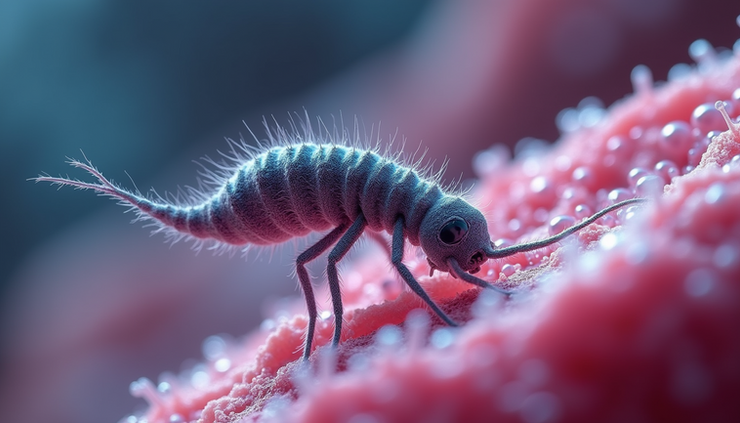
What Are Parasites and How Do They Infect Humans?
Parasites are organisms that depend on a host to survive. They range from tiny protozoa to larger worms and can live inside the body or on the skin. Common types include:
Protozoa: Single-celled organisms like Giardia and Plasmodium (which causes malaria).
Helminths: Worms such as roundworms, tapeworms, and flukes.
Ectoparasites: External parasites like lice and ticks.
Humans can become infected through contaminated food or water, insect bites, poor hygiene, or close contact with infected individuals or animals. For example, drinking untreated water in some regions can lead to Giardia infection, causing digestive issues.
How Parasites Affect Human Health
Parasites can cause a wide range of health problems, from mild discomfort to severe disease. Their impact depends on the parasite type, infection severity, and the person’s immune system.
Digestive Problems
Many parasites target the digestive system. Symptoms include:
Diarrhea
Abdominal pain
Nausea
Weight loss
For instance, Entamoeba histolytica causes amoebic dysentery, leading to severe diarrhea and dehydration if untreated.
Nutritional Deficiencies
Parasites compete for nutrients, which can lead to deficiencies, especially in children. Hookworms attach to the intestinal lining and feed on blood, causing anemia and fatigue.
Immune System Effects
Some parasites manipulate the immune system to survive longer. This can weaken the body’s defenses and increase vulnerability to other infections. Chronic infections may also cause inflammation and tissue damage.
Mental and Developmental Impact
Certain parasites affect the brain and nervous system. Toxoplasma gondii, often found in cats, has been linked to behavioral changes and cognitive effects. In children, heavy parasite infections can impair growth and learning.
Examples of Common Parasitic Diseases
Malaria: Transmitted by mosquitoes, malaria causes fever, chills, and can be fatal without treatment.
Schistosomiasis: Caused by freshwater worms, it leads to organ damage and chronic illness.
Giardiasis: Results from ingesting contaminated water, causing diarrhea and stomach cramps.
Lice Infestation: Causes itching and skin irritation, especially in crowded living conditions.
Preventing Parasite Infections
Reducing the risk of parasite infections involves practical hygiene and lifestyle measures:
Drink safe water: Use filtered or boiled water, especially when traveling.
Wash hands regularly: Especially before eating and after using the bathroom.
Cook food thoroughly: Proper cooking kills many parasites.
Avoid walking barefoot: This reduces exposure to soil-transmitted worms.
Use insect repellent and nets: Protects against mosquito-borne parasites.
Maintain clean living environments: Reduces contact with parasites and their carriers.
Treatment and Medical Care
If infection occurs, medical treatment varies by parasite type. Doctors may prescribe antiparasitic medications that target specific organisms. Early diagnosis improves outcomes and prevents complications.
Regular health check-ups and screening in high-risk areas help detect infections early. In some regions, mass drug administration programs reduce parasite prevalence in communities.
The Broader Impact on Wellbeing
Parasites do more than cause illness. They affect quality of life by reducing energy, causing discomfort, and limiting daily activities. In areas with high infection rates, they contribute to poverty by affecting work and school attendance.
Understanding parasites helps individuals and communities take informed steps to protect health. Public health efforts, education, and access to clean water and sanitation are key to reducing the burden of parasitic diseases.


Comments