Unlocking the Power of Restorative Yoga for Ultimate Relaxation
- rejul ravindran
- Dec 21, 2025
- 2 min read

Restorative yoga offers a unique path to deep relaxation and healing. Unlike more active yoga styles, it focuses on slowing down and opening the body through passive stretching and supported poses. This practice helps calm the nervous system, reduce stress, and restore energy. If you often feel overwhelmed or struggle to unwind, restorative yoga could be the key to finding balance and peace.
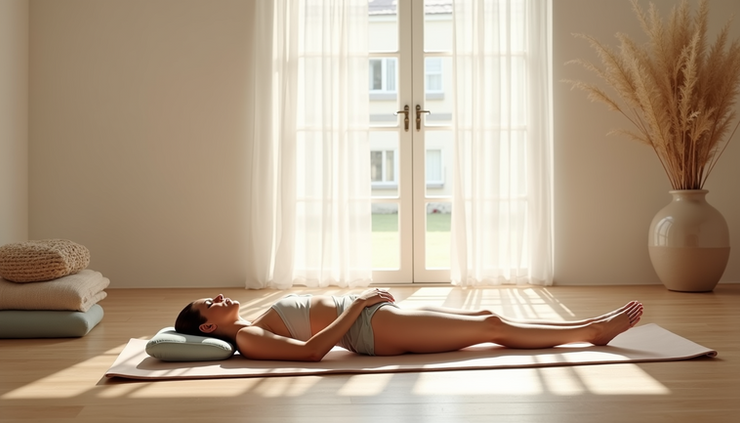
What Makes Restorative Yoga Different
Restorative yoga uses props like bolsters, blankets, blocks, and straps to support the body fully in each pose. This support allows muscles to relax completely without effort. Poses are held for longer periods, often 5 to 20 minutes, encouraging the body to release tension slowly.
Unlike vigorous yoga styles that build strength and flexibility through movement, restorative yoga emphasizes stillness and surrender. This stillness helps activate the parasympathetic nervous system, which controls the body's relaxation response. As a result, heart rate slows, breathing deepens, and stress hormones decrease.
Benefits Backed by Research
Studies show restorative yoga can improve both physical and mental health. Some of the key benefits include:
Reduced stress and anxiety: Holding supported poses calms the mind and lowers cortisol levels.
Improved sleep quality: Relaxation from restorative yoga helps regulate sleep patterns.
Pain relief: Gentle stretching and relaxation ease chronic pain, especially in the back and neck.
Enhanced digestion: Relaxation supports better digestive function by reducing tension in the abdomen.
Boosted immune function: Lower stress levels help the immune system work more efficiently.
For example, a 2018 study published in the Journal of Alternative and Complementary Medicine found that participants practicing restorative yoga twice a week reported significant reductions in anxiety and improved mood after 12 weeks.
How to Practice Restorative Yoga at Home
You don’t need a studio to enjoy restorative yoga. Here’s a simple way to start your own practice:
Create a calm space: Find a quiet spot with enough room to lie down comfortably.
Gather props: Use pillows, blankets, or cushions to support your body.
Choose gentle poses: Begin with supported reclined poses like Supta Baddha Konasana (reclined bound angle pose) or Legs-Up-The-Wall.
Focus on breath: Breathe slowly and deeply, letting your body soften with each exhale.
Hold poses longer: Aim to stay in each pose for 5 to 10 minutes, allowing full relaxation.
End with Savasana: Finish your session lying flat on your back, fully supported, to absorb the benefits.
Even 20 minutes of restorative yoga can leave you feeling refreshed and calm.
Tips for Getting the Most from Restorative Yoga
Be patient: The benefits build over time. Regular practice helps deepen relaxation.
Listen to your body: Adjust props and poses to avoid discomfort.
Use guided sessions: Beginners may find online videos or apps helpful for instruction.
Combine with mindfulness: Focus on sensations and breath to enhance mental calm.
Practice before bed: Restorative yoga can prepare your body for restful sleep.
Who Can Benefit Most
Restorative yoga suits almost everyone, especially those who:
Experience chronic stress or anxiety
Have trouble sleeping
Recovering from injury or illness
Deal with chronic pain or fatigue
Want a gentle complement to more active exercise
Because it is low impact and adaptable, restorative yoga can support healing and relaxation at any age or fitness level.


Comments