What You Need to Know About Sepsis Symptoms and Treatment
- rejul ravindran
- 20 hours ago
- 3 min read

Sepsis is a serious medical condition that affects millions of people worldwide every year. It occurs when the body’s response to an infection causes widespread inflammation, leading to tissue damage, organ failure, and sometimes death. Recognizing sepsis early and understanding its treatment can save lives. This post explains the key symptoms to watch for and the treatment options available.
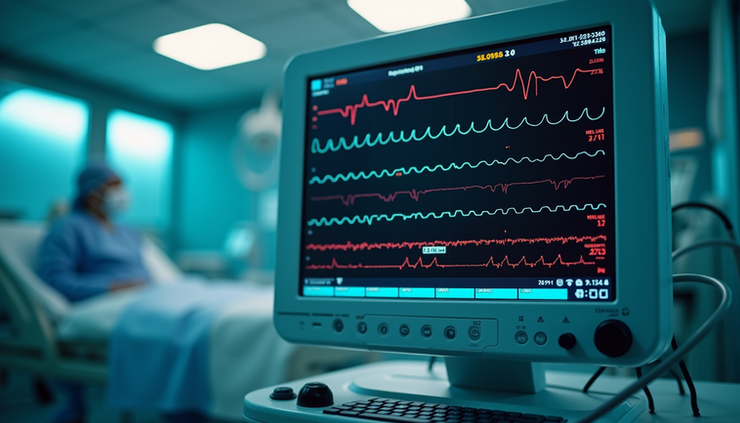
What Is Sepsis?
Sepsis happens when an infection triggers an extreme immune response. Instead of fighting the infection normally, the body releases chemicals into the bloodstream that cause inflammation throughout the body. This inflammation can damage organs like the heart, lungs, kidneys, and liver. If untreated, sepsis can quickly progress to septic shock, a life-threatening condition marked by dangerously low blood pressure and organ failure.
Common infections that lead to sepsis include pneumonia, urinary tract infections, abdominal infections, and bloodstream infections. Anyone can develop sepsis, but people with weakened immune systems, older adults, infants, and those with chronic illnesses face higher risks.
Recognizing Sepsis Symptoms Early
Early detection of sepsis is critical because the condition can worsen rapidly. Symptoms may vary depending on the infection source and the person’s health, but some warning signs are common:
High fever or low body temperature (above 101°F or below 96.8°F)
Rapid heart rate (above 90 beats per minute)
Rapid breathing (more than 20 breaths per minute)
Confusion or disorientation
Extreme pain or discomfort
Clammy or sweaty skin
Shortness of breath
Low blood pressure
If you or someone you know shows these symptoms, especially after an infection or injury, seek medical help immediately. Early treatment improves survival chances significantly.
How Doctors Diagnose Sepsis
Doctors diagnose sepsis by combining physical exams, medical history, and laboratory tests. They look for signs of infection and organ dysfunction. Common tests include:
Blood cultures to identify bacteria or fungi
Complete blood count (CBC) to check white blood cells
Lactate levels to assess tissue oxygenation
Urine tests and imaging scans to find infection sources
Doctors also monitor vital signs closely to detect changes that indicate worsening sepsis.
Treatment Options for Sepsis
Treating sepsis requires urgent medical care, usually in a hospital. The main goals are to control the infection, support organ function, and prevent complications. Treatment steps often include:
Antibiotics: Broad-spectrum antibiotics start immediately to fight the infection. Doctors may adjust the medication once test results identify the specific germ.
Intravenous fluids: Fluids help maintain blood pressure and improve blood flow to organs.
Oxygen therapy: Supplemental oxygen supports breathing if lungs are affected.
Medications to raise blood pressure: If fluids alone don’t stabilize blood pressure, drugs called vasopressors may be used.
Surgery: In some cases, surgery is needed to remove infected tissue or drain abscesses.
Patients with severe sepsis or septic shock often require care in an intensive care unit (ICU) for close monitoring and advanced support.
Preventing Sepsis
Preventing infections reduces the risk of sepsis. Simple steps include:
Practicing good hygiene, such as regular handwashing
Keeping wounds clean and covered
Staying up to date with vaccinations, including flu and pneumonia vaccines
Managing chronic conditions like diabetes carefully
Seeking prompt medical care for infections
Awareness of sepsis symptoms can also lead to earlier treatment and better outcomes.
Living After Sepsis
Survivors of sepsis may face long-term effects such as fatigue, muscle weakness, and cognitive difficulties. Rehabilitation and follow-up care help recovery. Support from healthcare providers, family, and community resources plays a vital role in regaining health.
Sepsis is a medical emergency that demands quick action. Knowing the symptoms and understanding treatment options can make a difference between life and death. If you suspect sepsis, do not wait—get medical help immediately. Staying informed and vigilant helps protect you and your loved ones from this dangerous condition.


Comments