Effective Strategies for Achieving Sustainable Fat Loss
- rejul ravindran
- Dec 21, 2025
- 3 min read

Fat loss is a common goal, but many struggle to find methods that work long term. Quick fixes and fad diets often lead to temporary results, leaving people frustrated and discouraged. Sustainable fat loss requires a balanced approach that fits into your lifestyle and supports your overall health. This post explores practical strategies that help you lose fat steadily and keep it off.

Focus on Real Food and Balanced Nutrition
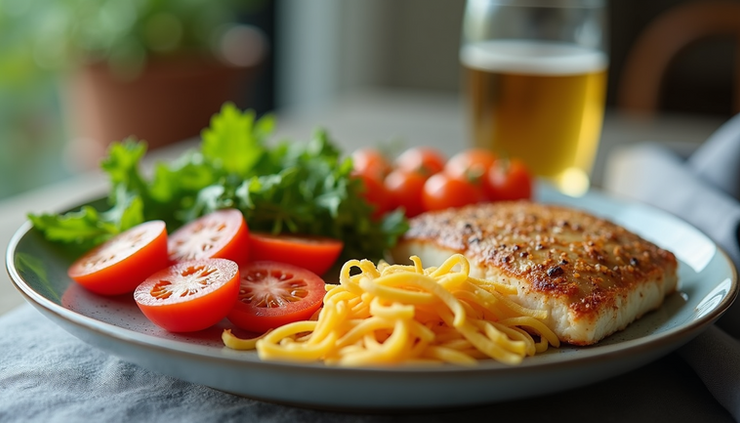
One of the most effective ways to lose fat is to prioritize whole, minimally processed foods. These foods provide essential nutrients and help control hunger naturally. Instead of counting every calorie obsessively, aim to fill your plate with:
Vegetables and fruits for fiber and vitamins
Lean proteins like chicken, fish, tofu, or legumes to support muscle and satiety
Whole grains such as brown rice, quinoa, or oats for steady energy
Healthy fats from sources like nuts, seeds, and olive oil
Avoiding highly processed snacks and sugary drinks reduces empty calories that contribute to fat gain. Preparing meals at home allows better control over ingredients and portion sizes.
Create a Moderate Calorie Deficit
Fat loss happens when your body burns more calories than it takes in. However, extreme calorie restriction can backfire by slowing metabolism and causing muscle loss. A moderate calorie deficit of about 10-20% below your maintenance needs is more sustainable.
To estimate your calorie needs, use online calculators or consult a nutrition professional. Track your food intake for a week to understand your habits, then reduce calories gradually. This approach helps preserve energy, maintain muscle, and avoid feelings of deprivation.
Incorporate Strength Training
Exercise is essential for fat loss, but not all workouts are equal. Strength training builds muscle, which increases your resting metabolic rate. More muscle means your body burns more calories even at rest.
Aim for 2-4 sessions per week focusing on major muscle groups. Exercises like squats, deadlifts, push-ups, and rows are effective. Strength training also improves body composition, giving a leaner appearance as fat decreases.
Add Cardiovascular Exercise Wisely
Cardio workouts help burn calories and improve heart health. However, relying solely on cardio can lead to muscle loss if not balanced with strength training. Choose activities you enjoy, such as walking, cycling, swimming, or dancing.
High-intensity interval training (HIIT) is a time-efficient way to burn fat. It involves short bursts of intense effort followed by recovery periods. HIIT can increase calorie burn after exercise and improve fitness.
Prioritize Sleep and Stress Management
Sleep and stress have a significant impact on fat loss. Poor sleep disrupts hormones that regulate hunger and fat storage, often leading to increased appetite and cravings. Aim for 7-9 hours of quality sleep per night.
Chronic stress raises cortisol levels, which can promote fat accumulation, especially around the abdomen. Incorporate stress-reducing practices like meditation, deep breathing, or hobbies that relax you.
Stay Consistent and Patient
Fat loss is a gradual process. Rapid weight loss often comes from water or muscle loss and is hard to maintain. Focus on consistent habits rather than quick results. Track progress with measurements, photos, or how clothes fit instead of just the scale.
Set realistic goals and celebrate small victories. Adjust your plan as needed but avoid drastic changes that are hard to sustain. Over time, these steady efforts lead to lasting fat loss and improved health.


Comments