Effective Weight Loss Diet Strategies for Long-Term Success
- rejul ravindran
- Dec 21, 2025
- 3 min read

Losing weight can feel like an uphill battle, especially when quick fixes and fad diets promise fast results but fail to deliver lasting change. The key to effective weight loss lies in adopting a diet strategy that supports sustainable habits, balances nutrition, and fits your lifestyle. This post explores practical, science-backed approaches to help you achieve and maintain your weight loss goals over the long term.

Focus on Whole, Nutrient-Dense Foods
Choosing whole foods over processed options is a foundational step in any weight loss diet. Whole foods provide essential nutrients without added sugars, unhealthy fats, or excess calories. Examples include:
Fresh fruits and vegetables
Whole grains like brown rice, quinoa, and oats
Lean proteins such as chicken, fish, tofu, and legumes
Healthy fats from sources like avocados, nuts, and olive oil
These foods help you feel full longer, reduce cravings, and support overall health. For instance, swapping white bread for whole-grain bread adds fiber, which slows digestion and keeps blood sugar stable.
Control Portion Sizes Without Feeling Deprived
Portion control is crucial for weight loss but doesn’t mean eating tiny meals or skipping food. Instead, it involves understanding serving sizes and listening to your body's hunger signals. Some tips include:
Use smaller plates to naturally reduce portions
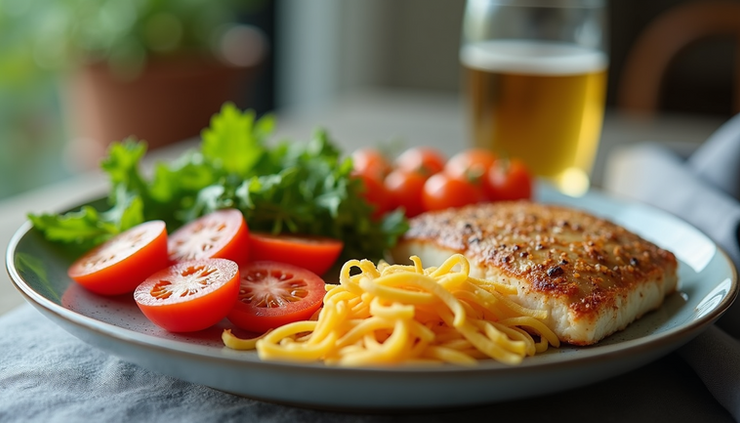
Fill half your plate with vegetables to increase volume without many calories
Measure high-calorie foods like nuts or oils to avoid overeating
Eat slowly and stop when you feel satisfied, not stuffed
By managing portions, you create a calorie deficit needed for weight loss while still enjoying satisfying meals.
Plan Balanced Meals with Protein, Fiber, and Healthy Fats
A balanced meal supports steady energy and reduces overeating. Protein, fiber, and healthy fats play key roles:
Protein helps preserve muscle mass during weight loss and increases satiety. Include sources like eggs, lean meats, beans, or Greek yogurt.
Fiber from vegetables, fruits, and whole grains slows digestion and keeps you full longer.
Healthy fats improve taste and support brain health. Examples include olive oil, nuts, and seeds.
For example, a lunch with grilled chicken, quinoa, steamed broccoli, and a drizzle of olive oil provides a satisfying mix of these nutrients.
Stay Hydrated and Limit Sugary Drinks
Drinking enough water supports metabolism and can reduce feelings of hunger mistaken for thirst. Aim for at least 8 cups of water daily, more if you exercise or live in a hot climate.
Avoid sugary drinks like soda, fruit juices, and energy drinks. These add empty calories and spike blood sugar, making weight loss harder. Instead, try:
Infused water with lemon or cucumber slices
Unsweetened herbal teas
Black coffee in moderation
Incorporate Regular Physical Activity
While diet plays the biggest role in weight loss, combining it with physical activity improves results and supports long-term success. Exercise helps burn calories, build muscle, and boost mood.
Aim for at least 150 minutes of moderate activity per week, such as brisk walking, cycling, or swimming. Strength training twice a week helps maintain muscle mass, which is important for a healthy metabolism.
Avoid Extreme Diets and Focus on Consistency
Extreme diets that eliminate entire food groups or drastically cut calories often lead to short-term weight loss followed by regain. They can also cause nutrient deficiencies and harm your relationship with food.
Instead, focus on consistent, manageable changes you can maintain. For example, gradually increasing vegetable intake or swapping sugary snacks for fruit creates lasting habits without feeling overwhelming.
Track Progress and Adjust as Needed
Monitoring your progress helps you stay motivated and identify what works best. Use tools like:
Food journals or apps to track meals and calories
Weekly weigh-ins or body measurements
Noting energy levels and mood changes
If progress stalls, review your diet and activity. Small adjustments, like reducing portion sizes or adding more movement, can help you continue moving toward your goals.


Comments