The Ultimate Guide to a Bodybuilding Diet for Maximum Gains
- rejul ravindran
- 1 day ago
- 3 min read

Building muscle requires more than just lifting weights. What you eat plays a crucial role in how much muscle you gain, how fast you recover, and how your body performs overall. A well-planned bodybuilding diet fuels your workouts, supports muscle repair, and helps you reach your goals efficiently. This guide breaks down everything you need to know about eating for muscle growth, with practical tips and examples to help you get the most from your efforts.
Understanding Macronutrients for Muscle Growth
Muscle building depends on three main macronutrients: protein, carbohydrates, and fats. Each plays a unique role in your diet.
Protein
Protein provides the building blocks (amino acids) your muscles need to repair and grow. Aim for about 1.6 to 2.2 grams of protein per kilogram of body weight daily. Good sources include lean meats, fish, eggs, dairy, legumes, and plant-based proteins like tofu and tempeh.
Carbohydrates
Carbs are your body’s primary energy source. They fuel intense workouts and help replenish glycogen stores in muscles. Include complex carbs such as oats, brown rice, quinoa, sweet potatoes, and whole grains. Timing carbs around workouts can improve performance and recovery.
Fats
Healthy fats support hormone production, including testosterone, which is important for muscle growth. Include sources like avocados, nuts, seeds, olive oil, and fatty fish. Keep fats to about 20-30% of your total daily calories.
How to Calculate Your Calorie Needs
To gain muscle, you need to eat more calories than you burn. This is called a calorie surplus. Start by calculating your maintenance calories—the amount you need to maintain your current weight. You can use online calculators that factor in your age, weight, height, and activity level.
Once you know your maintenance calories, add 250 to 500 calories per day to support muscle growth without excessive fat gain. Track your progress weekly and adjust calories if you are not gaining weight or if you are gaining too much fat.
Meal Timing and Frequency
Eating the right foods at the right times can enhance muscle gains and recovery.
Pre-workout meals should include carbs and protein to fuel your training. For example, a banana with peanut butter or oatmeal with whey protein.
Post-workout meals are critical for recovery. Aim to eat protein and carbs within 30 to 60 minutes after training. This helps replenish glycogen and kickstarts muscle repair. A chicken breast with sweet potato or a protein shake with fruit works well.
Meal frequency varies by preference, but many bodybuilders eat 4 to 6 smaller meals throughout the day to maintain energy and nutrient supply.
Hydration and Supplements
Staying hydrated supports muscle function and recovery. Aim for at least 3 liters of water daily, more if you sweat heavily during workouts.
Supplements can support your diet but are not a replacement for whole foods. Some useful supplements include:
Whey protein for convenient, high-quality protein intake.
Creatine monohydrate to improve strength and muscle volume.
Branched-chain amino acids (BCAAs) to reduce muscle soreness.
Multivitamins to fill any nutrient gaps.
Always consult a healthcare professional before starting supplements.
Sample Bodybuilding Meal Plan
Here’s an example of a daily meal plan designed for muscle gain at around 3,000 calories:
Breakfast: 4 egg whites, 2 whole eggs, 1 cup oatmeal with berries
Snack: Greek yogurt with almonds and honey
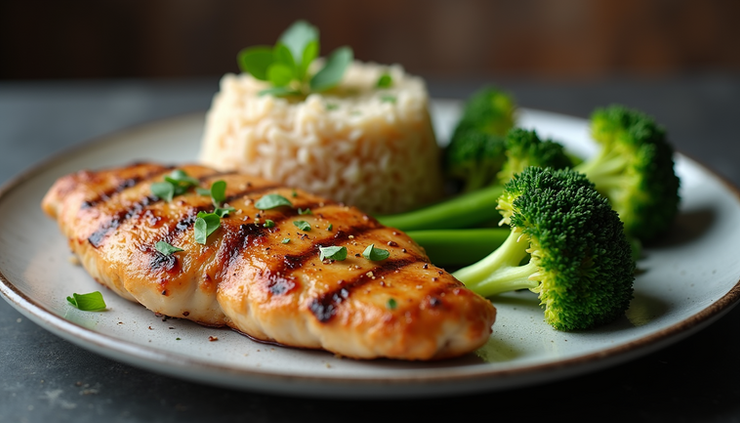
Lunch: Grilled chicken breast, brown rice, steamed broccoli
Pre-workout: Banana and a scoop of whey protein
Post-workout: Protein shake with a medium sweet potato
Dinner: Salmon, quinoa, mixed vegetables
Evening snack: Cottage cheese with sliced cucumber
Adjust portion sizes based on your calorie needs and preferences.
Avoiding Common Diet Mistakes
Many people struggle to gain muscle because of these common errors:
Not eating enough calories
Without a calorie surplus, muscle growth stalls. Track your intake carefully.
Ignoring protein intake
Protein is essential. Skimping on it limits muscle repair.
Relying on junk food
Calories from processed foods can lead to fat gain, not muscle.
Skipping meals or inconsistent eating
Regular nutrient intake supports steady muscle growth.
Neglecting hydration
Dehydration reduces workout performance and recovery.
Final Thoughts on Building Muscle with Nutrition
A bodybuilding diet requires planning, consistency, and balance. Focus on whole foods rich in protein, carbs, and healthy fats. Adjust calories to support muscle gain without excess fat. Pay attention to meal timing and hydration to maximize your workouts and recovery.


Comments