Ultimate Bodybuilding Program for Building Muscle Mass and Strength
- rejul ravindran
- Dec 21, 2025
- 2 min read

Building muscle mass and strength requires more than just lifting weights. It demands a well-structured program that balances training intensity, recovery, nutrition, and consistency. This guide breaks down an effective bodybuilding program designed to help you gain muscle size and increase strength efficiently.

Designing Your Bodybuilding Program
A successful bodybuilding program focuses on progressive overload, targeting all major muscle groups, and allowing adequate recovery. Here’s how to structure it:
Training Frequency and Split
Train 4 to 6 days per week depending on your experience and recovery ability.
Use a split routine to focus on specific muscle groups each day. Common splits include:
- Push/Pull/Legs (3-6 days)
- Upper/Lower body (4 days)
- Body part split (5-6 days, e.g., chest day, back day)
Exercise Selection
Choose compound movements as the foundation of your workouts because they engage multiple muscle groups and stimulate greater strength gains:
Squats
Deadlifts
Bench press
Overhead press
Rows
Pull-ups
Add isolation exercises to target smaller muscles and improve muscle symmetry:
Bicep curls
Tricep extensions
Lateral raises
Leg curls
Sets, Reps, and Rest Periods
For muscle mass (hypertrophy), aim for 3-5 sets of 8-12 reps.
For strength gains, focus on 3-6 sets of 3-6 reps with heavier weights.
Rest 60-90 seconds between sets for hypertrophy and 2-3 minutes for strength.
Sample Weekly Bodybuilding Routine
Here’s an example of a 5-day split that balances muscle growth and strength:
| Day | Muscle Group Focus | Key Exercises |
|-----------|----------------------------|--------------------------------------|
| Monday | Chest and Triceps | Bench press, incline dumbbell press, tricep dips, cable pushdowns |
| Tuesday | Back and Biceps | Deadlifts, pull-ups, barbell rows, bicep curls |
| Wednesday | Legs | Squats, leg press, Romanian deadlifts, calf raises |
| Thursday | Shoulders and Abs | Overhead press, lateral raises, front raises, hanging leg raises |
| Friday | Full Body (Strength Focus) | Squats, bench press, deadlifts, pull-ups |
This routine allows muscle groups to recover while maintaining training frequency.
Nutrition to Support Muscle Growth
Muscle building depends heavily on nutrition. To maximize gains:
Eat a calorie surplus: Consume more calories than you burn to fuel muscle growth.
Prioritize protein: Aim for 1.6 to 2.2 grams of protein per kilogram of body weight daily.
Include carbs and fats: Carbohydrates provide energy for workouts; fats support hormone production.
Stay hydrated: Water is essential for muscle function and recovery.
Example daily meal plan:
Breakfast: Oatmeal with whey protein and berries
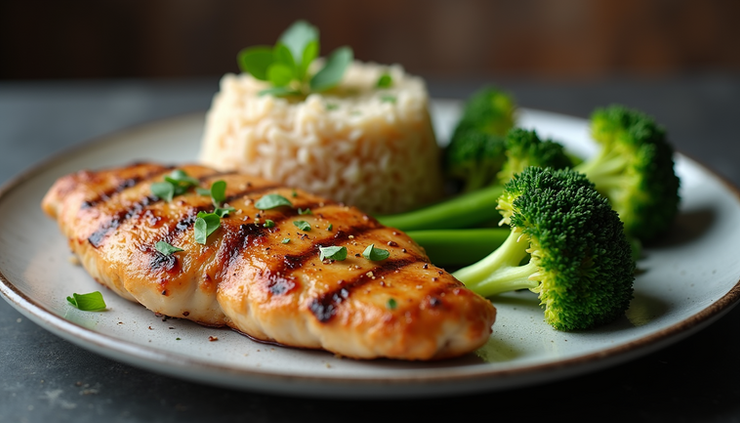
Lunch: Grilled chicken breast, brown rice, steamed vegetables
Snack: Greek yogurt with almonds
Dinner: Salmon, quinoa, mixed greens
Post-workout: Protein shake with banana
Recovery and Rest
Muscle growth happens during rest, not just training. Follow these tips:
Get 7-9 hours of quality sleep each night.
Take rest days seriously; avoid intense workouts on these days.
Use active recovery like light walking or stretching.
Consider foam rolling or massage to reduce muscle soreness.
Tracking Progress and Adjusting
Keep a workout log to track weights, sets, and reps. Increase weights gradually to maintain progressive overload. If progress stalls:
Change exercises or rep ranges.
Adjust calorie intake.
Increase rest or reduce training volume temporarily.


Comments