The Ultimate Guide to Mastering Pilates Reformer Workouts
- rejul ravindran
- 1 day ago
- 3 min read

Pilates reformer workouts offer a unique way to build strength, improve flexibility, and enhance body awareness. Unlike traditional mat Pilates, the reformer uses a sliding carriage, springs, and straps to create resistance, making exercises more dynamic and effective. Whether you are a beginner or looking to deepen your practice, mastering the Pilates reformer can transform your fitness routine.
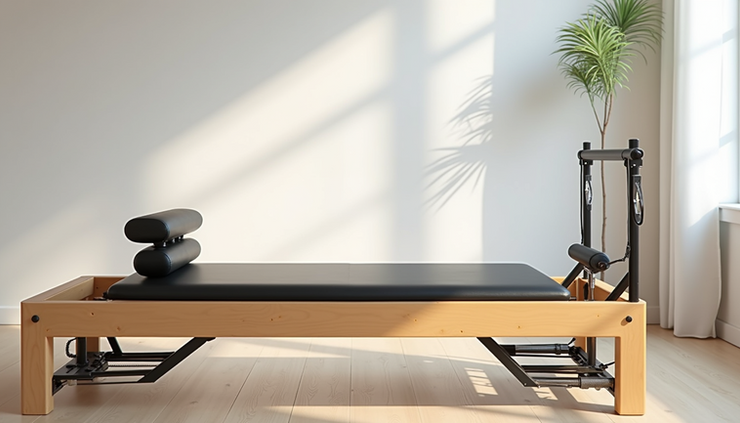
Understanding the Pilates Reformer
The Pilates reformer is a versatile piece of equipment designed to support and challenge your body. It consists of:
A flat platform called the carriage that moves back and forth
Adjustable springs that provide different levels of resistance
Straps and pulleys for arm and leg exercises
A footbar for stability and leverage
This setup allows you to perform a wide range of movements targeting various muscle groups. The reformer helps improve posture, balance, and coordination by encouraging controlled, precise movements.
Benefits of Pilates Reformer Workouts
Using the reformer offers several advantages over other forms of exercise:
Increased muscle strength: The resistance from springs helps build lean muscle without bulk.
Enhanced flexibility: The reformer supports deep stretches that improve joint mobility.
Core stability: Many exercises focus on the core, improving posture and reducing back pain.
Low-impact training: The reformer provides support, making it suitable for injury recovery or joint sensitivity.
Full-body workout: It engages multiple muscle groups simultaneously for balanced strength.
These benefits make Pilates reformer workouts popular among athletes, dancers, and anyone seeking functional fitness.
Getting Started with Pilates Reformer
If you are new to the reformer, here are some tips to begin safely and effectively:
Take a beginner class: A certified instructor can teach proper form and machine setup.
Start with light resistance: Use fewer springs to focus on control and alignment.
Learn basic exercises first: Master moves like footwork, leg circles, and arm presses before advancing.
Listen to your body: Avoid pushing into pain and modify exercises as needed.
Wear comfortable clothing: Avoid loose garments that can get caught in the machine.
Many studios offer introductory sessions, which help build confidence and prevent injury.
Essential Pilates Reformer Exercises to Master
Here are some foundational exercises that form the core of reformer training:
Footwork
Lie on the carriage with feet on the footbar.
Press out and pull back using your legs.
Focus on even pressure and controlled movement.
Builds leg strength and alignment.
The Hundred
Lie on the carriage with straps around your hands.
Lift your head and shoulders, pump arms up and down.
Engage your core to stabilize the spine.
Improves breathing and abdominal strength.
Leg Circles
Place one foot in the strap.
Circle the leg in controlled motions.
Keeps hips stable and stretches the leg muscles.
Short Spine Massage
Feet in straps, lift hips off the carriage.
Roll the spine up and down slowly.
Enhances spinal flexibility and core control.
Arm Work
Hold straps with hands.
Perform bicep curls, tricep presses, or chest expansions.
Strengthens upper body with support.
Practicing these exercises regularly builds a strong foundation for more advanced moves.
Tips for Progressing Your Pilates Reformer Practice
Once you feel comfortable with basics, try these strategies to advance:
Increase resistance gradually by adding springs.
Add more repetitions or sets to build endurance.
Incorporate balance challenges by performing exercises on one leg or with eyes closed.
Combine movements to engage multiple muscle groups.
Focus on breath control to enhance movement efficiency.
Tracking your progress with a journal or app can help maintain motivation and highlight improvements.
Common Mistakes to Avoid
To get the most from your reformer workouts, watch out for these pitfalls:
Rushing through exercises: Pilates requires slow, deliberate movements.
Holding breath: Proper breathing supports muscle engagement and relaxation.
Poor alignment: Keep shoulders, hips, and spine in correct positions.
Overusing momentum: Use muscle control instead of swinging.
Ignoring pain signals: Modify or stop if you feel discomfort.
Working with an instructor periodically can help correct form and prevent bad habits.
How to Incorporate Pilates Reformer into Your Fitness Routine
Pilates reformer workouts complement many fitness goals. Here are ways to include them:
Use reformer sessions 2-3 times a week for strength and flexibility.
Combine with cardio workouts like running or cycling for endurance.
Add yoga or stretching on off days for recovery.
Use reformer exercises as warm-up or cool-down routines.
Focus on specific goals such as injury rehab or posture improvement.
Consistency is key to seeing lasting benefits from Pilates reformer training.


Comments