The Ultimate Guide to Understanding Creatine Benefits and Usage
- rejul ravindran
- 23 hours ago
- 3 min read

Creatine is one of the most studied and popular supplements in the fitness world. Many athletes and fitness enthusiasts use it to improve performance, build muscle, and support recovery. But what exactly is creatine, how does it work, and what benefits can you expect? This guide breaks down everything you need to know about creatine, including practical advice on how to use it safely and effectively.
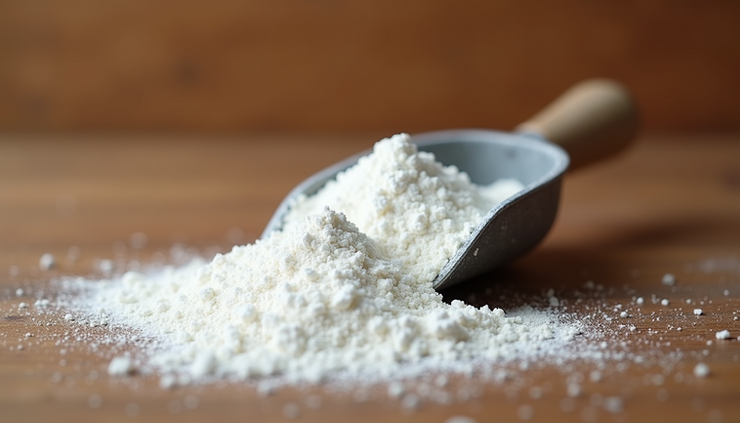
What Is Creatine and How Does It Work?
Creatine is a natural compound found in small amounts in certain foods like red meat and fish. It is also produced by the body, mainly in the liver, kidneys, and pancreas. Creatine stores energy in the form of phosphocreatine inside muscle cells. When you perform high-intensity activities like sprinting or weightlifting, your muscles use this stored energy to produce ATP (adenosine triphosphate), the primary energy source for muscle contractions.
By supplementing with creatine, you increase the amount of phosphocreatine in your muscles. This allows you to generate energy faster during short bursts of intense exercise, which can improve strength, power, and endurance.
Key Benefits of Creatine
1. Improved Strength and Power
Creatine helps you lift heavier weights and perform more reps by providing extra energy to your muscles. Studies show that creatine supplementation can increase strength gains by 5-15% over several weeks of training.
2. Enhanced Muscle Growth
Creatine supports muscle growth in two main ways: by allowing you to train harder and by increasing water content in muscle cells, which promotes protein synthesis. This leads to bigger and stronger muscles over time.
3. Faster Recovery
Supplementing with creatine may reduce muscle damage and inflammation after intense workouts. This helps you recover quicker and get back to training sooner.
4. Better High-Intensity Performance
Creatine is especially effective for activities that require short bursts of energy, such as sprinting, jumping, or interval training. It can improve performance in these activities by 10-20%.
5. Potential Brain Benefits
Emerging research suggests creatine may support brain health by providing extra energy to brain cells. This could improve cognitive function, especially during stressful or demanding tasks.
How to Use Creatine Effectively
Choosing the Right Type
The most common and well-researched form is creatine monohydrate. It is affordable, safe, and effective. Other forms like creatine ethyl ester or buffered creatine exist but lack strong evidence for better results.
Dosage and Timing
Loading phase (optional): Take 20 grams per day split into 4 doses for 5-7 days. This saturates your muscles quickly.
Maintenance phase: Take 3-5 grams daily to keep muscle creatine levels elevated.
You can take creatine any time of day, but many prefer post-workout with carbs and protein to enhance absorption.
How to Take It
Mix creatine powder with water, juice, or a protein shake. It dissolves best in warm liquids but works fine in cold drinks too.
Staying Hydrated
Creatine pulls water into muscle cells, so drink plenty of fluids throughout the day to stay hydrated and avoid cramps.
Common Myths About Creatine
Creatine causes kidney damage: Research shows creatine is safe for healthy individuals when taken at recommended doses.
Creatine causes bloating: Some water retention occurs inside muscles, but it is not the same as bloating or fat gain.
Creatine is only for bodybuilders: It benefits anyone doing high-intensity exercise, including runners, cyclists, and team sports players.
You need to cycle creatine: There is no need to stop taking creatine periodically; continuous use is safe.
Who Should Avoid Creatine?
People with pre-existing kidney conditions or those who are pregnant or breastfeeding should consult a healthcare professional before using creatine. Also, children and adolescents should only use creatine under medical supervision.
Practical Tips for Getting the Most from Creatine
Combine creatine with a balanced diet rich in protein and carbohydrates.
Stick to a consistent training routine that includes strength and high-intensity exercises.
Track your progress to see how creatine affects your performance and muscle growth.
Buy creatine from reputable brands to ensure purity and quality.



Comments