Top Strategies for Effective Cutting in Bodybuilding
- rejul ravindran
- Dec 21, 2025
- 3 min read

Cutting in bodybuilding is a challenging phase where the goal is to reduce body fat while preserving muscle mass. This process demands a precise balance of nutrition, training, and recovery. Many athletes struggle with cutting because it requires discipline and smart planning. This post breaks down the most effective strategies to help you cut efficiently and maintain your hard-earned muscle.

Understand Your Caloric Needs
Cutting starts with managing calories. To lose fat, you need to consume fewer calories than your body burns. However, cutting calories too drastically can lead to muscle loss and fatigue.
Calculate your Total Daily Energy Expenditure (TDEE) using online calculators or fitness apps.
Create a moderate calorie deficit of about 15-20% below your TDEE.
Track your food intake consistently to avoid accidental overeating.
For example, if your TDEE is 2,500 calories, aim for about 2,000 to 2,125 calories daily. This approach helps you lose fat steadily without sacrificing muscle.
Prioritize Protein Intake
Protein is essential during cutting because it supports muscle repair and growth. When calories are reduced, your body may break down muscle tissue for energy if protein intake is insufficient.
Aim for 1.0 to 1.5 grams of protein per pound of body weight.
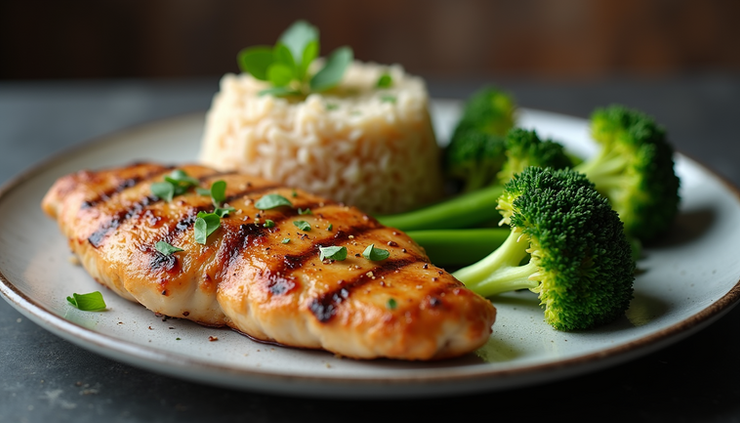
Include lean protein sources like chicken breast, turkey, fish, eggs, and plant-based proteins.
Spread protein intake evenly across meals to maximize muscle protein synthesis.
For example, a 180-pound bodybuilder should consume between 180 and 270 grams of protein daily. This helps maintain muscle mass and keeps you feeling full longer.
Focus on Strength Training
Cutting is not just about diet; training plays a crucial role. Strength training signals your body to preserve muscle even when in a calorie deficit.
Maintain your usual lifting routine with compound movements like squats, deadlifts, and bench presses.
Avoid reducing weights drastically; aim to keep intensity high.
Incorporate moderate volume and avoid excessive cardio that may lead to muscle loss.
For instance, continuing to lift heavy weights three to four times a week helps retain strength and muscle size during cutting.
Use Cardiovascular Exercise Wisely
Cardio helps increase calorie burn but should be balanced to avoid muscle breakdown.
Include moderate-intensity cardio sessions 3-4 times per week.
Limit high-intensity cardio to short intervals to preserve muscle.
Choose activities you enjoy, such as cycling, brisk walking, or swimming.
For example, 20-30 minutes of steady-state cardio after weight training can boost fat loss without compromising muscle.
Manage Carbohydrates Strategically
Carbohydrates provide energy for workouts and recovery. During cutting, managing carb intake can improve fat loss while maintaining performance.
Time carbohydrates around workouts to fuel training and replenish glycogen.
Reduce carbs slightly on rest days to maintain calorie deficit.
Choose complex carbs like oats, sweet potatoes, brown rice, and vegetables.
For example, eating carbs before and after workouts supports energy and recovery, while lower carb intake on off days helps reduce overall calories.
Stay Hydrated and Get Enough Sleep
Hydration and sleep are often overlooked but vital for cutting success.
Drink at least 3 liters of water daily to support metabolism and muscle function.
Aim for 7-9 hours of quality sleep each night to aid recovery and hormone balance.
Poor sleep can increase hunger hormones and reduce fat loss efficiency.
For example, consistent hydration and sleep improve energy levels and help maintain discipline during the cutting phase.
Track Progress and Adjust
Monitoring your progress helps you stay on track and make necessary changes.
Use body measurements, photos, and strength levels rather than just the scale.
Adjust calories and training based on fat loss rate and muscle retention.
Aim for 0.5 to 1 pound of fat loss per week for sustainable results.


Comments